Saturday, April 14, 2007

Nepal’s skills and performance: Threat or opportunity

WHY THE URGENCY running to stand still
One raw performance figures alone, Nepal is performing really well in the last few years. Our skills base has also improved significantly over last decade because of political revolution, migration and so on.
But despite this,
Nepal’s skills remain fundamentally weak because of political situation, migration, corruption and so on. Our two neighbour countries India and China are growing dramatically, exploiting the pace of technologies change.
As a further consequence of low skills,
Nepal risks creating a sub-section of society which is cut off permanently from labour market opportunity and facing increasing inequality.
We therefore need to accept that, whereas skills were once key lever for prosperity and fairness, they are now increasingly the key lever, fulfilling an increasingly pivotal role in our ability to complete internationally. Radical change is therefore necessary and urgent.

THE SKILLS VISION targeting world leader status
Clearly, the activities and attitudes would require a cultural shift towards viewing learning something people at all levels and at all ages in the work-force need robe doing all their working lives, and not just as something to be done by young people before they enter the workforce.
SHARED RESPONSIBILTY three levels in concert
Such ambitious targets will only be attained through commitment and the sharing of responsibility by all the beneficiaries. The three key players are the Government, the employer and the individual:
Government must create an end-to-end system with real clarity and discipline as to who in the education and skills infrastructure does what. Government should ensure employers and individuals drive the system so that it delivers economically valuable skills, only intervening where there is market failure.
Employers must respond to the opportunities they are being given to get the system to deliver for them-through more relevant education and training provision or more relevant qualifications or through other mechanisms, using their Sector skills Councils to ensure the right leavers are there to be pulled. They should seek’a deal for a deal’, focusing their investment and their practical support on where this will have most effect in meeting their needs.
Individuals must invest more in their work skills development and raise their aspirations in a changing workplace and with the growth of the knowledge economy. High profile awareness programmes should increase people’s aspirations and awareness of the value of skills to them and their families.
A DEMAND-LED SKILLS SYSTEM the needs of employers take priority
Strengthened Employer Voice
For too long the supply-side in education-the colleges and Universities, the qualification bodies, the funding bodies, even government-set targets themselves –has dominated what gets delivered by the education and skills system. And the demand-side has been interpreted as being ‘what young people want’ rather than ‘what employers need’. A move to a system that gives employers the strongest voice is now essential.
Relevant Qualifications Structure
The complexity and bureaucracy in the current system has always been a significant deterrent factor. There are over thousands of qualifications in Nepal and too many of these particularly at low levels, are little valued by individuals or employers. These problems have constrained investment in skills by employers and individuals alike.
Employers need the over-elaborate world of skills to be simplified, with fewer employer-facing bodies, and with the bodies led by employers having much more power to make the supply of education and skills more fit for 21st century purposes. They want to see more relevant, up to date education and better skills development, delivering more productive and profitable private companies and better performing public services.

Sector-specific, not geographic
While there are special considerations which mean that innovative approaches have the potential to flourish under the devolved administrations in Nepal. One size does not fit all sectors. Some sectors require large numbers of skilled workers at traditional craft level while the new knowledge economy means the other sectors require higher level and technical skills. In general, employers have much more in common with others in their sector than with other employers located geographically close to them. The new skills infrastructure must reflect this reality.
DRIVING THE VISION simplified structure, focused control
Unless Nepal can make its skills base one of its strengths, public services will not deliver best value and engine of the economy……….
WHO GAINS? a win-win situation
Developing the skills of the exiting workforce is hugely important given that more than 70% of the 2020 workforce is already in the workforce today.
RECOMMENDATIONS ROUND-UP

Wednesday, March 28, 2007

Productivity:

Productivity is the ratio of inputs to outputs—the value of what we put into the process compared with what we get out of the process. A production process has three main inputs: labour, capital (equipment and buildings), and purchased inputs (goods and services bought from other companies). The numerator of the productivity equation is value added (output minus the purchased inputs); the denominator, costs (capital costs plus labour). Labour productivity (value-added output per employee) and capital productivity (value-added output per dollar of capital stock) can be examined separately. Labour productivity is highly relevant to high-tech sub sectors, particularly software and services, because much of their productive capacity resides in people.

A company that has higher productivity will enjoy greater profitability with all else equal in a given market. A more productive company can either produce the same output with fewer inputs and thus enjoy a cost advantage or produce more or better output with the same inputs and command a price premium. Over time, the higher profitability of more productive companies will attract competition, and profitability will tend to converge. Profitability is thus a transient reward for improvements in productivity.

Thursday, March 15, 2007

How to Get Free Electricity:

The Sun is an incredible source of energy that provides a free, renewable resource in the form of heat and light. Just 20 days of Sun energy can produce the same amount of energy as all of Earth's reserves of oil, coal and natural gas. Solar energy can be strapped up inactively through appropriate design principles as well as actively with collectors that capture the heat or light of the sun.

Monday, February 19, 2007

Divine Power of Mantras:

Rama symbolized Rig Veda. He was Mantraswarupa (embodiment of mantras).
Lakshmana was Mantradrasta (one who contemplated on the mantras) and he put the teachings of Rama into practice. He followed Rama faithfully. He considered Rama Nama (repeating Rama's name) as the taraka (liberating) mantra. He, in fact, considered Rama everything --mother, father, Guru and God.
Bharata was the embodiment of Sama Veda and chanted Rama Nama incessantly with bhava, raga, and tala (feeling, melody, and rhythm). While Bharata was engaged in nirguna worship (worship of formless God), Lakshmana rejoiced in saguna worship (worship of God with form).
Atharva Veda manifested itself as Satrughna, who followed his three elder brothers and conquered not only the secular world but achieved victory over the kingdom of senses also.
The Vedas thus incarnated in the Treta Yuga (era) to impart a most precious message to mankind. The two great sages Vasishtha and Viswamitra declared to the world that the four Vedas had taken birth in human form as Rama, Lakshmana, Bharata, and Satrughna. As a consequence of great merit earned by Dasaratha, the four Vedas incarnated as his sons. If anyone asked Sage Viswamitra any questions about the Vedas, he replied, "All the four Vedas have incarnated as the four sons of Dasaratha to set an ideal to the world." Hence the Vedas are not formless; they have a form.
The mantras contained in the Vedas are of immense significance. When Sage Viswamitra realized that the rakshasas (demons) wanted to stop the chanting of Vedic mantras and destroy righteousness and truth on earth, he sought the help of Rama and Lakshmana, who symbolized the divine forces that descended on earth to destroy the demonic forces and establish peace in the world. With the power of mantras taught to them by Sage Viswamitra, Rama and Lakshmana annihilated the Rakshasas. This incident signifies the fact that with the power of Vedic mantras man can destroy his demonic qualities. By engaging themselves in the chanting of the mantras, the people of Treta Yuga annihilated their demonic qualities.
Symbolizing the divine powers of the Vedas, Rama, Lakshmana, Bharata, and Satrughna destroyed demonic forces and fostered divine forces in the world. The four brothers thus established the supremacy of the Vedas as manifestation of the aspect of God with form.
Each mantra has a form. It has also its own inner significance. When chanting is done with contemplation on form, it leads one to the path of self-realisation. The Vedic seers declared, "Vedahametam Purusham Mahantam Aditya Varnam Tamasah Parastat (I have seen the Divine Being who shines with the splendour of a billion suns beyond the realm of darkness)." The seers and sages transcended the darkness of ignorance and visualized the effulgence of the Divine. They chanted the mantras, contemplated on the form of the Divine, performed yajnas (sacrifices and rituals) and attained peace and bliss. They made use of mantra, tantra, and yantra in the performance of yajnas, which ensured peace and prosperity of the people in Treta Yuga. With the help of the mantras, they quelled the rakshasas (demons) and established the reign of gods.

Namasmarana for Man's Liberation
But the people of the Kali Yuga (the present age) have forgotten these mantras with the result that Kali Yuga has verily become Kalaha Yuga (the Age of discord and conflict). Even brothers quarrel with each other. They live and eat together in the same family, yet there is hatred and conflict between them.
Different means for man's liberation have been prescribed for each of the four Yugas. While meditation is prescribed as the primary means of liberation in the Sathya Yuga, performance of yajnas and chanting of mantras forms the means of liberation in the Treta Yuga. Similarly, archana (worship of God) is the chief means of liberation in Dwapara Yuga. But it is namasmarana (repetition of the name of the Lord) that is the main means of man's liberation in Kali Yuga. Since the people of Kali Yuga do not have the strength and capability to carry out rigorous sadhana (spiritual practices), they have been advised to do namasmarana.
Harernama Harernama Harernamaiva Kevalam;
Kalau Nastyeva Nastyeva Nastyeva Gatiranyatha
.

In Kali Yuga, there is no other means more effective than the chanting of Divine Name for man's liberation.
The Ramayana is not an ordinary story. It contains the direct message of the Vedas. Rama symbolizes the wisdom of the Vedas. Rama married Sita, who represents Brahma Gyan (knowledge of Brahman). When Sita is taken away by demonic forces, Rama and Lakshmana search for her desperately.
The Ramayana contains thousands of slokas (verses). Since it was not possible to remember all the slokas of the Ramayana, the sages recommended the chanting of the Name of Rama. When the disciples of Vasishtha asked him what Divine Name to chant, the sage said, "It is enough if you chant the name 'Rama'. The Name of Rama will make you free from raga (attachment) and roga (disease)."
As I often tell the students, the name Rama has two syllables, Ra and ma. These two powerful syllables are derived from the names of Vishnu and Siva. The syllable, Ra comes from the ashtakshari (eight syllabled) mantra Om Namo Narayanaya. It is the life-breath of the ashtakshari mantra. Similarly, ma is the very soul of the panchakshari (five lettered) mantra Om Namah Sivaya.
The ashtakshari mantra Om Namo Narayanaya and the panchakshari mantra Om Namah Sivaya become meaningless when ra and ma are respectively removed from the words of these mantras. Without ra, the ashtakshari mantra becomes Om Namo Nayana, which is meaningless. In the same way, the panchakshari mantra without ma becomes Om Nah Sivaya, which is inauspicious. The Name Rama is the life-breath of both the Vaisanavites and Saivites (worshippers of Vishnu and Siva).
In the Treta Yuga, when the sages and seers were engaged in the chanting of the Divine Name of Rama, Ravana, Kumbhakarna, and other demons tried to put hurdles in their way. They thought that if they abducted Sita, who symbolized Brahma Jnana (knowledge of Brahma), Rama would lose His power. The Name would lose its potency without Jnana, just like sugarcane loses its sweetness without Rasa. Hanuman resolved to bring this rasa back to Rama and rejoiced in drinking Ramarasa (ambrosia of Rama's Name).
The people of the Treta and Dwapara Yugas considered the Name Rama to be the essence of all sweetness and enjoyed its nectarine taste. Instead of tasting the delicious spiritual sweetness of the Name of Rama, people today devour worldly sweets and expose themselves to the risk of becoming diabetic patients. Worldly sweets cause diseases, whereas the delicious sweet of Rama Nama rids one of all diseases. In ancient India, even the cowherds and shepherds chanted the Divine Name while tending their cattle and sheep. There were not many diseases in ancient times. Rama, Lakshmana, Bharata, and Satrughna propagated the glorious power of Vedic mantras to free the world from diseases and suffering.

Saturday, January 13, 2007

Nepal: balancing economic growth with domestic priorities

Nepal, which is situated between two superpower India and China, is one of the poorest Country in the world. India and China are recognized as one of the world's fastest growing economics and is predicted to become the fourth and third largest economy in the world by 2026, behind the USA and Japan.................
The world is changing in many different ways and, in the recent years, the unprecedented performance of developing economics has seen a shift towards a new era of economic power and influence in the global community. The six risk factors can halt future growth of Nepal.

  1. The loss of fresh water
  2. Demographics
  3. Oil peaks
  4. A globalisation backlash
  5. Health
  6. The environment

Saturday, December 02, 2006

Education and privatization in Nepal:

Education is fundamental in attracting foreign investment, particularly in the regions of the country where we do not always have enough people with the necessary skills in Nepal.
Equal opportunities from the beginning should be one slogan, and education is the main issue here. We need to move from where we are now—with everyone guaranteed an education under the constitution—to the point where everybody gets an education of excellent quality. This is not just a matter of social justice; education is a vital economic agent. We have a particular problem in
Nepal because of the shortage of people with technical qualifications: in most countries the ratio is ten technical graduates for each professional. Here things are the other way round.
Privatization is all about execution and creating value at the end of the day; you can have good ones like British Airways and bad ones like the railways in
Britain. Privatization for privatization’s sake is not wise. In turn, the government in Nepal should focus much more on its role as a regulator to create a favourable business environment.

Saturday, November 04, 2006

How to give your brain a workout:

Try writing backwards or use your non-dominant hand. This creates a different neural pathway,similar to when you get new ideas. Da Vinci practiced mirror writing to keep his/her brain fresh.
Chew gum: This increase activity in the hippo campus, the part of the brain important for short term memory.
Learn a second language, forcing your brain to continuously switch tarcks. This is one of the most mentally demanding things we can do.
Watch less television
Eat food high in Omega 3 fatty acids such as berries, seeds, turkey and fish.

Sunday, October 15, 2006

What is Knowledge?

In the words of the Nobel Laureate Thomas Jefferson “He who receives an idea from me receives instruction himself without lessening mine; as he who lights his taper at mine receives light without darkening me.”
Unlike capital and labour, knowledge strives to be a public good). Once knowledge is discovered and made public, there is zero marginal cost to sharing it with more users. Secondly, the creator of knowledge finds it hard to prevent others from using it. Instruments such as trade secrets protection and patents, copyright, and trademarks provide the creator with some protection.
Knowledge based economy is based on Know-why and know-who matters more than know-what. There are different kinds of knowledge that can usefully be distinguished. Know-what, or knowledge about facts, is nowadays diminishing in relevance. Know-why is knowledge about the natural world, society, and the human mind. Know-who refers to the world of social relations and is knowledge of who knows what and who can do what. Knowing key people is sometimes more important to innovation than knowing scientific principles. Know-where and know-when are becoming increasingly important in a flexible and dynamic economy. Know-how refers to skills, the ability to do things on a practical level.
Knowledge gained by experience is as important as formal education and training. The implication of the knowledge economy is that there is no alternative way to prosperity than to make learning and knowledge-creation of prime importance. There are different kinds of knowledge. "Tacit knowledge" is knowledge gained from experience, rather than that instilled by formal education and training. In the knowledge economy tacit knowledge is as important as formal, codified, structured and explicit knowledge.
According to New Growth economics a country's capacity to take advantage of the knowledge economy depends on how quickly it can become a "learning economy'. Learning means not only using new technologies to access global knowledge, it also means using them to communicate with other people about innovation. In the "learning economy" individuals, firms, and countries will be able to create wealth in proportion to their capacity to learn and share innovation (Foray and Lundvall, 1996; Lundvall and Johnson, 1994). Formal education, too, needs to become less about passing on information and focus more on teaching people how to learn.
Life long learning is vital for organisations and individuals. At the level of the organisation learning must be continuous. Organisational learning is the process by which organisations acquire tacit knowledge and experience. Such knowledge is unlikely to be available in codified form, so it cannot be acquired by formal education and training. Instead it requires a continuous cycle of discovery, dissemination, and the emergence of shared understandings. Successful firms are giving priority to the need to build a "learning capacity" within the organisation.

Wednesday, September 06, 2006

The reactionary revolutionary:

In most of Europe, “Neo-conservative” is a term of insult. It puts every individual so designated in the frame for the horrors of Iraq, Vietnam, Somalia and so on.
I think, hate has kindled hate for centuries, and yet Nepal’s King still thinks that repression is the only way to prevent rebellion of Moist and other political parties. Today, His politics activities show that he is the force, he is the order and rest of all who oppose his policies are the disorder. Like Bush, he does not defend an idea, he responds to the fears that he himself instills in people’s heads.
King Ganendra is certainly wanted to be a little King Mahendra. I don’t know if he has the potential of real one, but it will be impossible to say tomorrow that we didn’t know. For his part, King Ganendra appears repentant about controversy he has helped arouse–although his policy makers admit that he has been living through the most testing time in his life. Indeed, he now seems to be revelling in his new–found notoriety, which scarcely dented his popularity rating.
Democratic order must be restored before the current could introduce any other policies to help disadvantaged minorities. The riots and rallies have shown that Nepal has reached a “moment of truth” and is crying out for a “rupture” with the failed policies of the past. We must change our country, we must change profoundly, we must break with the political, economic and social system that has for 100 years only produce debt, unemployment, and stagnation. That is why we all Nepalese people appeal for a clean break.
Nepalese society is based on strictly hierarchical norms and the age-old basis of caste system traditional socio-cultural values norms and beliefs. Poverty has to be scrutinised in the light of politico- economic, socio-cultural and psychological issues by keeping in mind of broader geographical, demographic, ecological, socio-cultural, religious and politico-economic context.
There are so many leaders in the world who did everything for sake of development in their country. We can take an example of General de Gaulle in 1945 and in 1958 who established the fifth Republic in France. We want such a leader who can transform Nepal, challenging conservatism without taboo like General de Gaulle in France did. Government should change the institutions, economic policy, social welfare, the civil service, foreign policy and defence, taxes and culture. The crisis in Nepal has revealed in cruel way the realities that have been observing for several years: our country needs radical transformation.
Nepal is the wellspring of peace ideas “likes Gautam Buddha” and inspiration to the world, is in danger of spluttering into global irrelevance, becoming a mere “theme park for tourist”. The vitality of the world’s second rich water resources economy has been sapped by over-funded country and the oppressive build-up of public debt, its entrepreneurial energies have been dulled by taxes and its social “elevator”, allowing the poor and excluded minorities to be integrated into Nepalese society, has broken down as unemployment rate has been struck at around 50-60 percent for a generation. Nepalese society is sclerotic, blocked, immobile and paralysed by quasi-castes, who enjoy enormous benefits and privileges while denying them outsiders.
The much-vaunted Nepalese social model, which trumpets the principle of equality, has in practice produce inequality. Racial discrimination is rooted in Nepalese society no matter whether the country formally adheres to the Human rights policy or not. Positive discrimination is still discrimination which should be illegal in Nepal. Corrective measures are needed.
Abraham Lincoln had stressed about politics “by the people, for the people”. Some our politicians too speak the same language on all public platforms but in actual practice they set an example of corruption, crime and so on. Every citizen is of the view that no government in Nepal can ever be expected to be brutally sincere; it can only be sincerely brutal. Nepalese politics should have entered post-ideological phase, in which politicians must devise clear solutions to voters’ immediate concerns rather than appealing to their idealistic instincts. “One notices more and more in our electoral analyses that voters are individualistic, critical and well-informed, and that in deciding their political choice they increasingly fix on concrete issues. The ideological vote-whether it is socialist, or Marxist, or liberal-is changing to one based on what affects people in their daily lives. People vote for their personal interests at the time of voting.”
Nepalese politician should be practical in other terms should be interested in how a policy might work in practice than in theory. If somebody ask about deep down then the answer should be in one word: pragmatism.
Teachers, social workers, police officers, doctors and youth associations all had a responsibility to identify and tackle problem cases early and Government should do more to deal with every single problem. To avoid becoming human animals we must escape the society of selection in which we live, a society of repression, impoverishment, of voyeurism and fear, where the cop, violence, force and sexual licence have replaced dignity, dialogue, justice and love.

Tuesday, August 08, 2006

Human Factor:

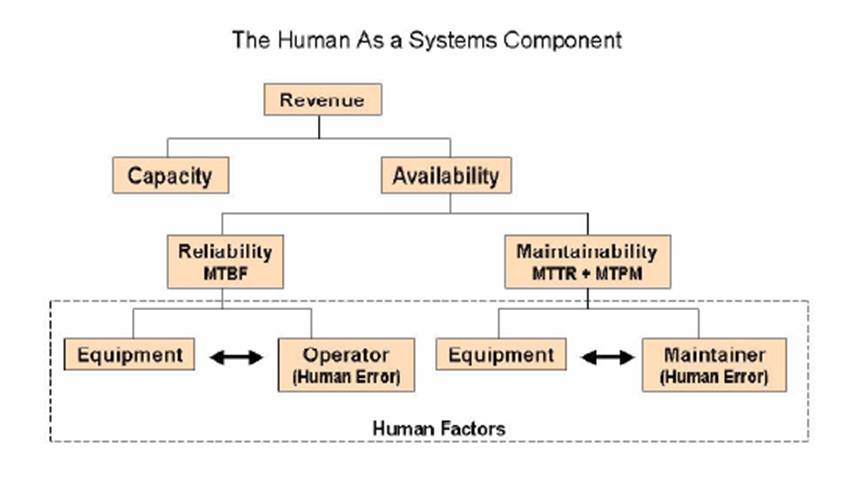
Human Factors is the scientific discipline concerned with the understanding of interactions among humans and other elements of a system. The Human Factors profession applies theory, principles, data, and methods to design in order to optimize human well being and overall system performance.
Human Factors (HF) professionals contribute to the design and evaluation of tasks, jobs, products, environments and systems in order to make them compatible with the needs, abilities and limitations of people. At Paragon, HF principles are applied to the specification, design, evaluation, operation and maintenance of oil & gas and maritime equipment to enhance safety, efficiency of personnel and job satisfaction.
People + Environment + Equipment = Integrated Systems
Can Human Factors Affect the "Bottom Line"?
HF principles applied during design to reduce the potential for human error can lead to improved system reliability and maintainability, allowing a system to sustain greater levels of availability or uptime. Evidence shows that the revenue generated by a system will increase as a function of system.
The HF Group has worked most recently in five key areas: new facilities design and construction, control room studies, training, incident investigation and development of design guidelines and specifications.

Monday, July 31, 2006

The basic needs of human life:

Numerous researches have been done about the human basic needs to make life comfortable. Most of the work which we perform are directly or indirectly associated with human needs to make comfortable life. In order to survive every living system satisfies the conditions which allow to overcome the law of entropy that governs the microscopic world. Every living system needs three basic things in life: Material, Love and Value to survive.
Every living thing need to satisfy a variety of conditions which are commonly known as material needs, for example: food, housing, heating, energy. When all those conditions are met then it is experienced as material well–being. In case those conditions are not met then suffering takes place in the form of hunger, poverty, illness, and death.
Syntropy is the main source from which life gets its energy and its movement. If the connection of syntropy will lost in this case, entropy prevails, and the living system dies. It is necessary to be connected with syntropy in order to stay alive. This need is felt in the form of attraction and love. When this need is not satisfied, feelings of inner pain are experienced in the form of emptiness, anxiety, fear, panic, imminent death and death. Consequently this point signify need of connection, the need of love is a basic need of life.
The relation between entropy and syntropy guides to another basic need which is commonly known as need of value. This need originates from two incompatible considerations: on one side we feel we exist, while on the other side, comparing ourselves with the outer world which is infinitely large, we discover that we are infinitely small; we are equal to nothing. To be equal to nothing is incompatible with the feeling of life. Syntropy is at the basis of our feeling of life, but on the other hand we discover that we are equal to nothing. The conflict between the “feeling of life” and the fact that “we are equal to nothing” causes a deep dissipation of energy (entropy) which is experienced in the form of depression, and in extreme cases leads to death. When we find a value in our life this conflict is reduced and consequently depression diminishes.
However if we are not able to find a value depression increases and suffering can become so serious that mental illness and death are observed.
It is interesting to note that the need of value has its origin in the “identity conflict”, the conflict between the feeling of life and the knowledge that we are equal to nothing. It is possible to express this conflict in the form of an equation:
This equation can be read in the following way: “I compared to the universe am equal to nothing”. This conflict can be solved when:
“I united to the universe, compared to the universe am equal to I”.
This last equation shows that:
Love gives value to life. Love is a property of syntropy. Only uniting ourselves to the universe through love the identity conflict is solved and the need of value satisfied.
The need of love and the need of value are united. It is not possible to face separately the need of value and the need of love: in each moment it is necessary to consider these two needs together.
Only when material needs are satisfied the need of love and value arises. When the material need is so urgent that survival is at risk the material need gives value to life. People fighting for survival experience the fact that their fight is important meaningful.

I / Universe = nothing

I x Universe / Universe = I

On the contrary, when survival is no more at risk, people feel the absence of a meaning, of a value and feel the identity conflict and depression. For this reason in societies where the material need is answered people experience inner suffering with increasing levels of depressions, anxiety and panic.
Most people believe that these forms of suffering are part of the natural human condition that we are condemned to live. Developing the basic needs model we find that this inner suffering is part of a path which will lead humans to a new era in which love and value will be widely experienced, and permanently satisfied.
Reference:
Ulisse Di Corpo,2005, The three basic needs of life: material, love and value.

Sunday, June 11, 2006

Teacher Training Course:

Last year, I had applied for PGCE (Postgraduate Certificate in Education) Course for Manufacturing and Design, ICT and Mathematics. I was invited by Hull University for Mathematics unfortunately I had bad time so I couldn’t continue this course. I was also selected in Teaching Tester Course which was run by UWE and Teacher Training Agency. The main purpose of school visit was to take a taste of the contemporary primary or secondary school. School in Britain have diverse ethnic mix, where as schools in the outskirts will have a less diverse background and pupils may travel a fair distance to get there. Although we will get a good impression of school life, it is important to remember that this is just a snapshot of life at the school we visit and the primary and secondary schools in general.
The questions below which are suggestions of what we might think about while observing lessons. These observations will form part of discussions that we might have when we apply successfully to the PGCE we will be asked to discuss our observations at interview.
1. Make general observations about the school. What is our overall impression of the school physically and in terms of pupil behaviour etc? Take a note of the displays of pupils’ work; displays of interest (how do these reflect the school’s geography and ethos?); information boards; room layouts; ICT equipment; specialist areas; resources and the resource centre/library; sports facilities; general upkeep of the school.
2. If we get the chance to observe a lesson, take note of the following:
Firstly, make some notes about the class:
What is the age range of the class?
How many pupils are in the class?
How many adults are working with the pupils (including teachers and assistants)?
As the class begins, make some observations:
How does the teacher begin the lesson/how do the pupils know the lesson has started?
How does the teacher ensure the class are quite and playing attention/how does he/she get the pupils’ attention?
How much time does the teacher spend talking to the class and introducing the lesson?
Through the middle of the lesson/session, try and speak to the pupils about their work:
Do the class know what they are doing?
Do they where this lesson/session fits in with other sessions?
How are they using resources and equipment?
Is the class working in groups or on their own?
Speak to the teacher and observe him or him in the way he/she interacts with the class:
How does the teacher deal with children who are noisy or disruptive?
How does he/she share out attention to all the class?
If there is one, how does the Learning Supporter work with the class?
How does the teacher respond to questions? Does he/she stop the class and speak to them all at any time?
As the lesson/session ends:
How does the teacher end the session?
How long has this lesson/session lasted?
Is equipment/resources tidied away and how does this happen?
3. In discussions with staff in school, note key issues that you think are important, try and get an idea of how the subject you might teach plays a role in the school and in the curriculum.

Thursday, June 01, 2006

Why do we need to know more about technology?

The meaning of the word "technology" evolved to reflect the changes. In the nineteenth century, technology referred simply to the practical arts used to create physical products, everything from wagon wheels and cotton cloth to telephones and steam engines. In the twentieth century, the meaning of the word was expanded to include everything involved in satisfying human material needs and wants, from factories and the organizations that operate them to scientific knowledge, engineering know-how, and technological products themselves.
In the development of human history, technology was mainly the area of craftsmen who passed their know-how (knowledge or skill) down from generation to generation. This know-how gradually improved in designs, and added a new techniques and materials. By the beginning of the twentieth century, technology had become a large-scale enterprise that depended on large stores of knowledge, skill and know-how which is too much for any one person to be a master.
The nature of technology has changed dramatically in the past hundred years. Indeed, the very idea of technology as we now consider it is relatively new. Now, large organizations were required for the development, manufacture, and operation of new technologies. Complex networks of interdependent technologies were developed, such as the suite of technologies for the automobile. These include gas and oil refineries, filling stations and repair shops, tire manufacturers, automobile assembly plants, the highway system, and many more. The government began to play a larger role in shaping technology through technological policies and regulations.

Friday, May 12, 2006

What is frustration and burnout?

Burnout is defined as a psychological syndrome of emotional exhaustion, depersonalization and reduced personal accomplishment in response to chronic interpersonal stressors on the job. Other symptoms include a feeling of depersonalization, described as the development of negative, cynical attitudes towards the recipients of one’s service, sense of helplessness, progressive apathy, cold and illness in pressured, overzealous relief at the end of the day, disillusionment with field of work, increased alcohol or drug use, and work related dreams with anxiety and guilt. Self–reporting of burnout is most often labelled as feelings of frustration. Frustration is a sense of powerlessness and isolation.
Inadequate communication and unrealistic expectations are also result of overload in staff and feeling of isolation. For instance, social workers can also become frustrated when more time is spent on paperwork than with clients. Money or salary (Wages) is not only the motivation factor to work however workers often seek the intrinsic value of the opportunity to help or to have a sense of purpose. Negative communication from co–workers or supervisors is also one cause of burn–out.
Age and gender have been associated with workplace frustration and burnout. However, inadequate skills and lack of experience may explain the age differences in levels of burnout, as younger workers are more likely to be inexperienced. Female workers compose a large percentage of the person–centred working population and may present their own problems. Women are often “other focused” and may have difficulty asking for help and support and in communicating their own needs.
In summary, individual characteristics can contribute to one’s ability to cope with high stress clients or in high stress fields of practice are the key factors of burnout. In terms of individual characteristics, younger workers and women tend to be more vulnerable to burnout than the older workers and men.

Monday, May 08, 2006

Wednesday, May 03, 2006

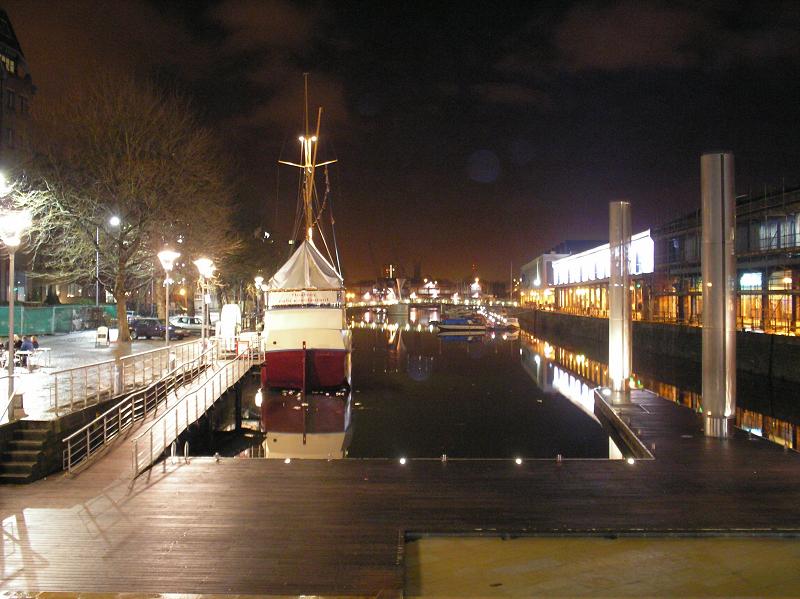
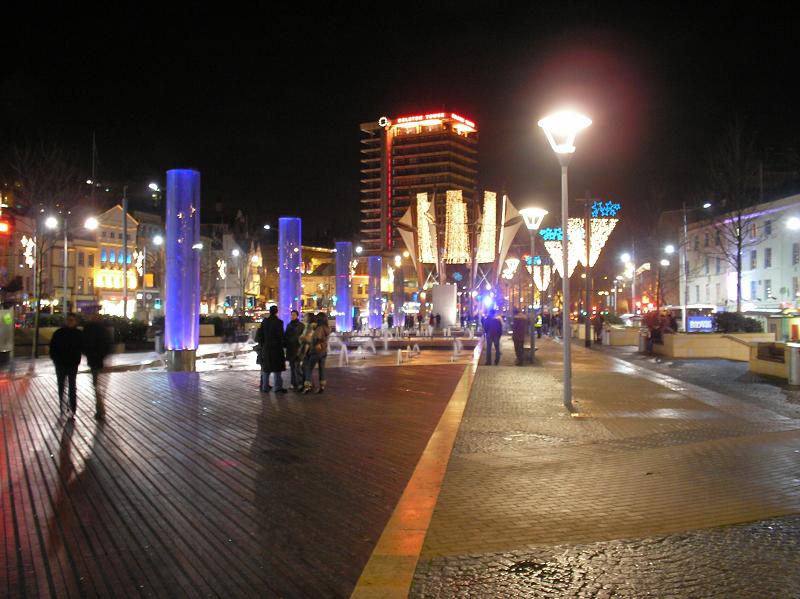
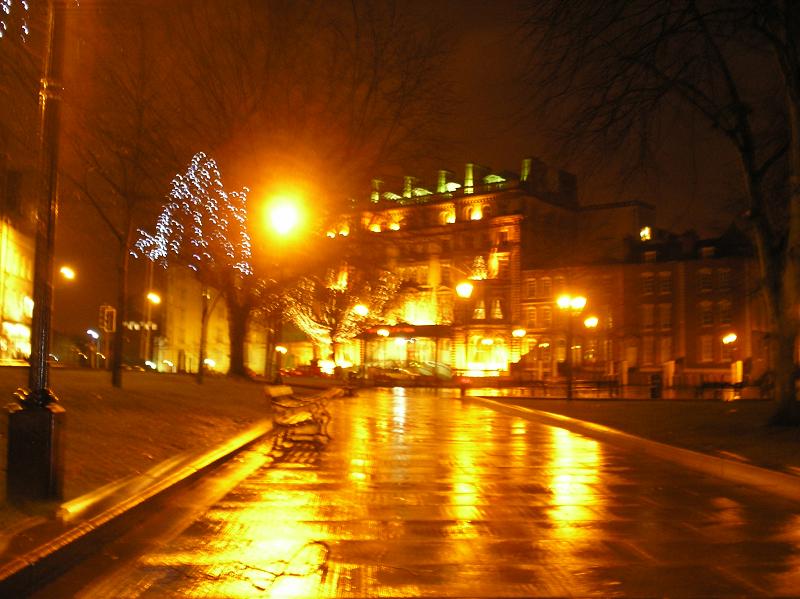
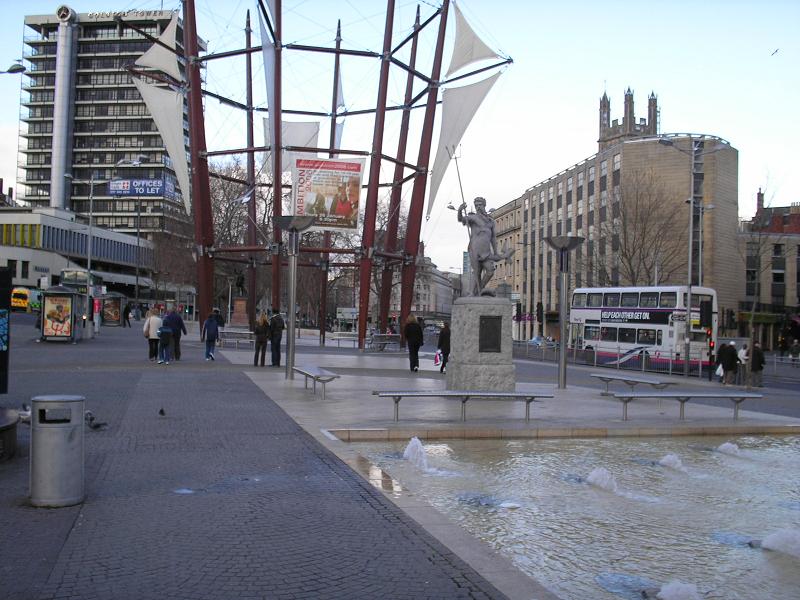
Walking around the Bristol:

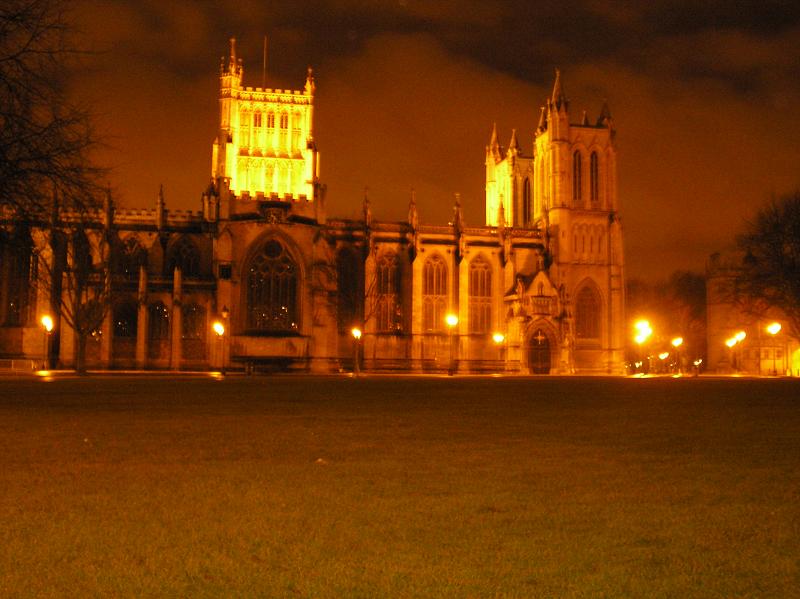
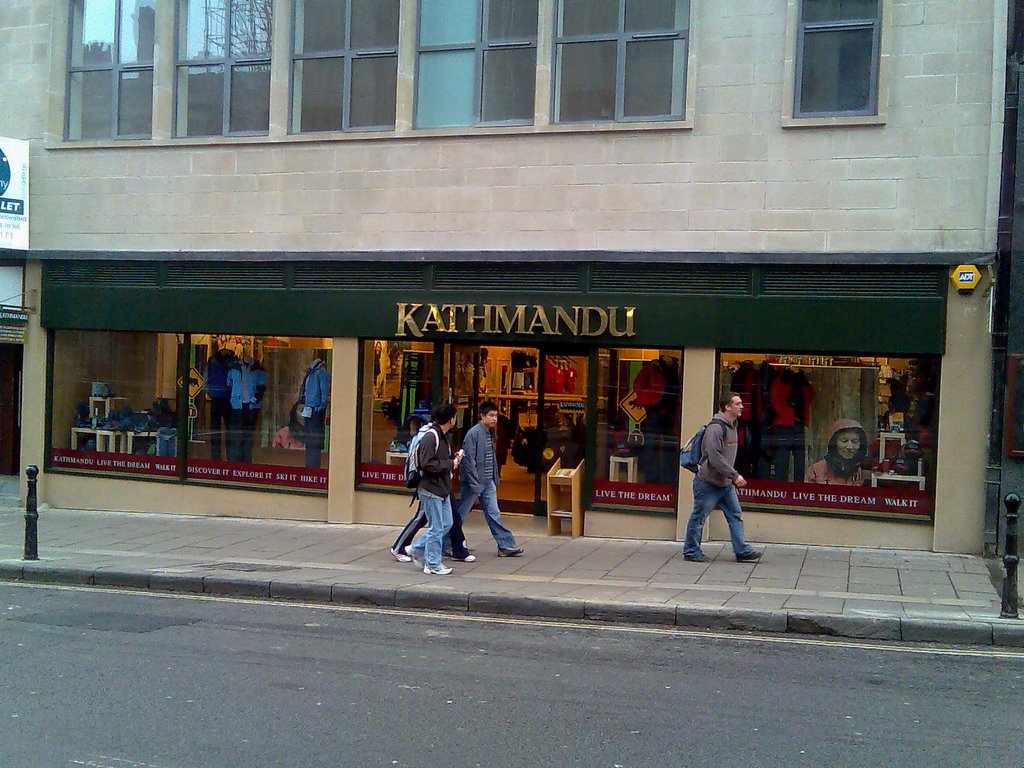
Last few weeks ago, Me and Ambika Dhakal was walking around Bristol city centre. I asked him to go Bristol Induatrial museum then Art Gallery. While we were at Bristol University, we saw Kathmandu store which brought our memory back about our Capital Kathamndu. Unfortunately, we didn't get time to visit inside the store however I had taken this photo:
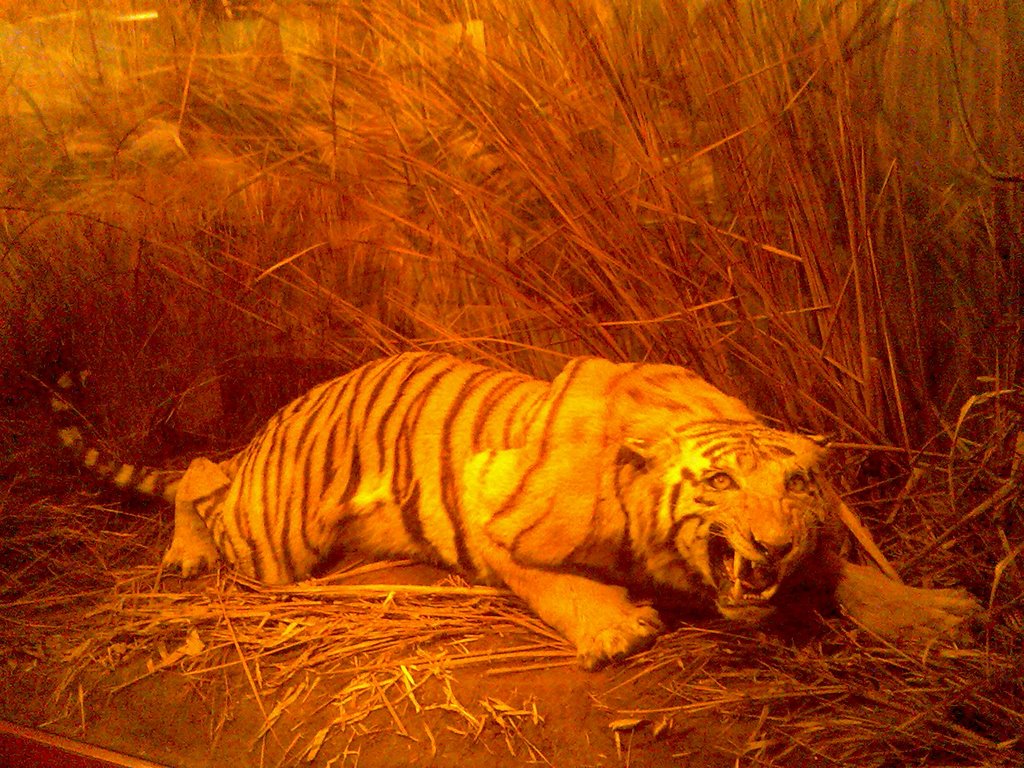
While visiting art museum, we found this tiger's skin was brought from Chitwan, Nepal. This tiger was hunted by British emperor when they used to rule in India.
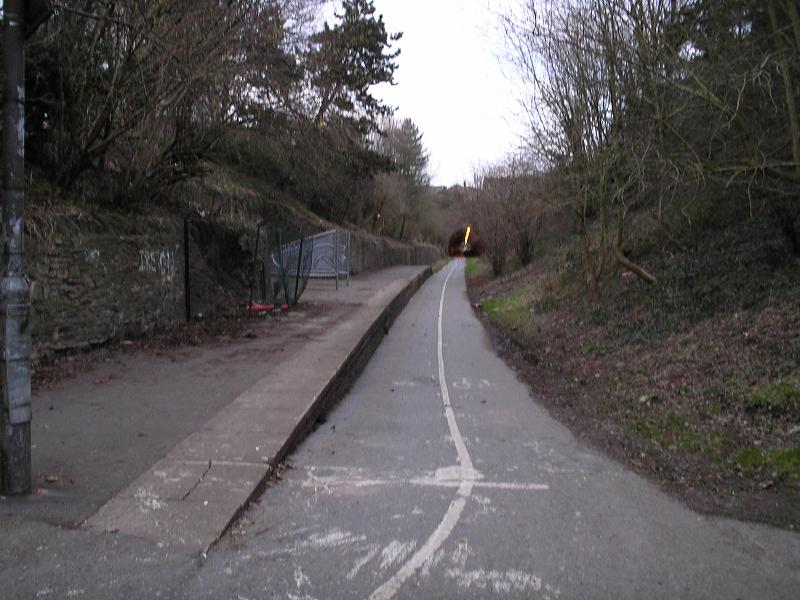
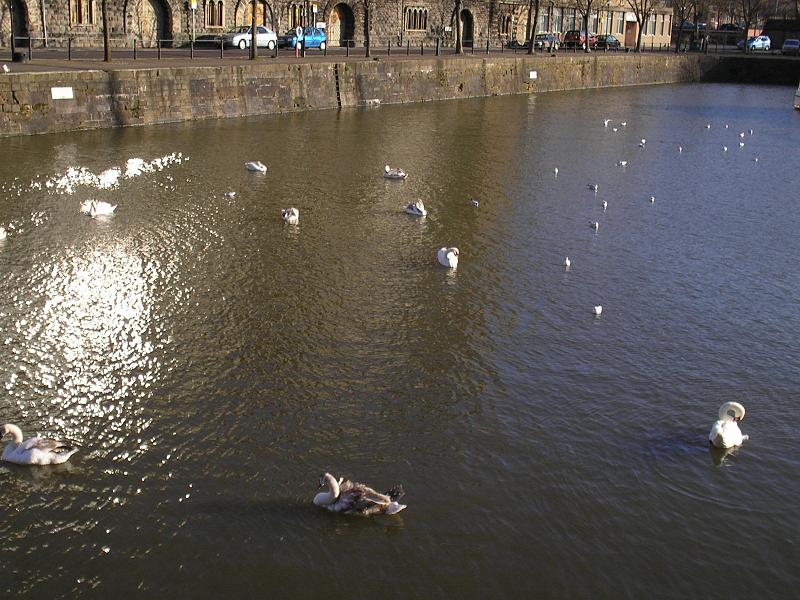
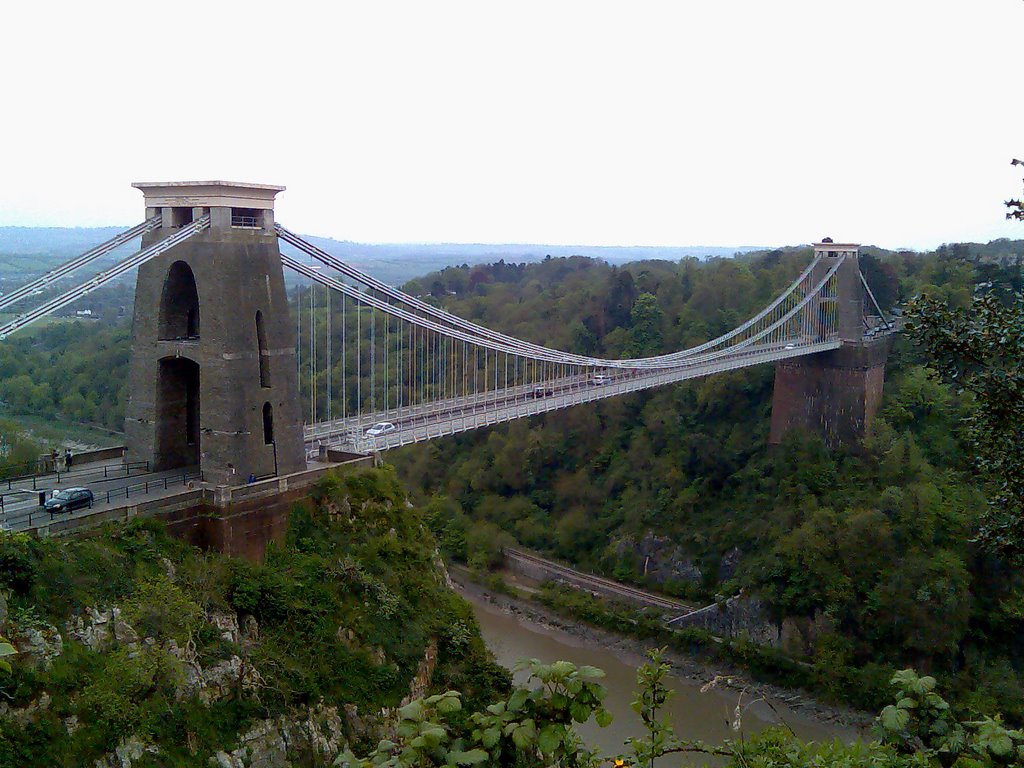
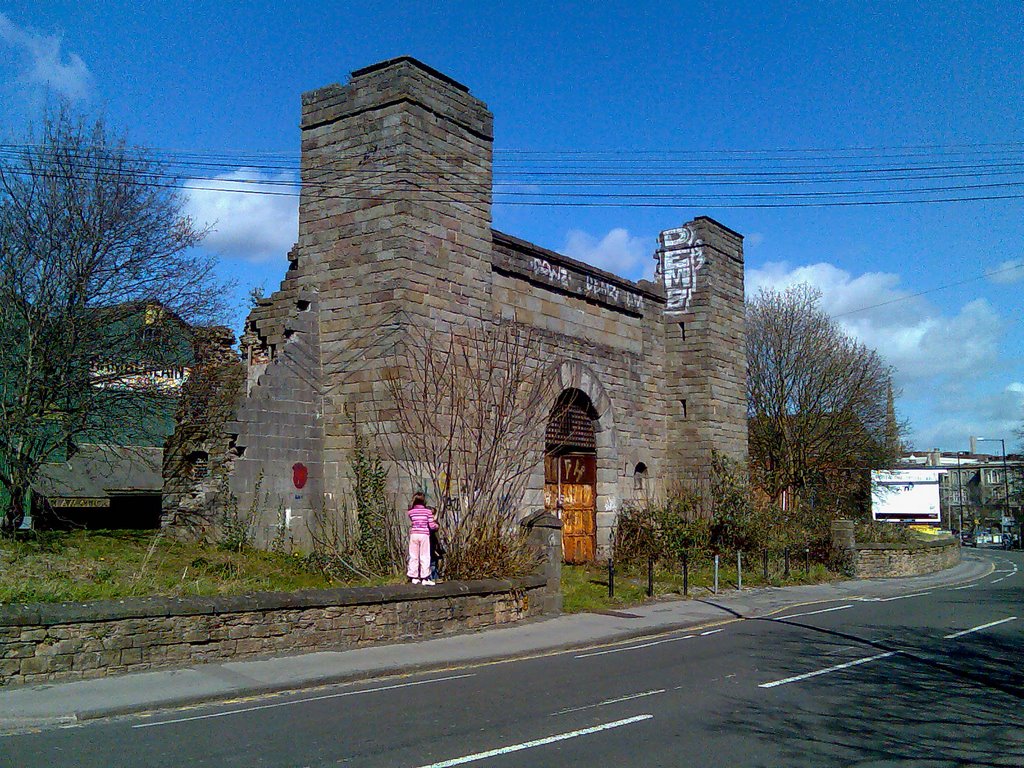
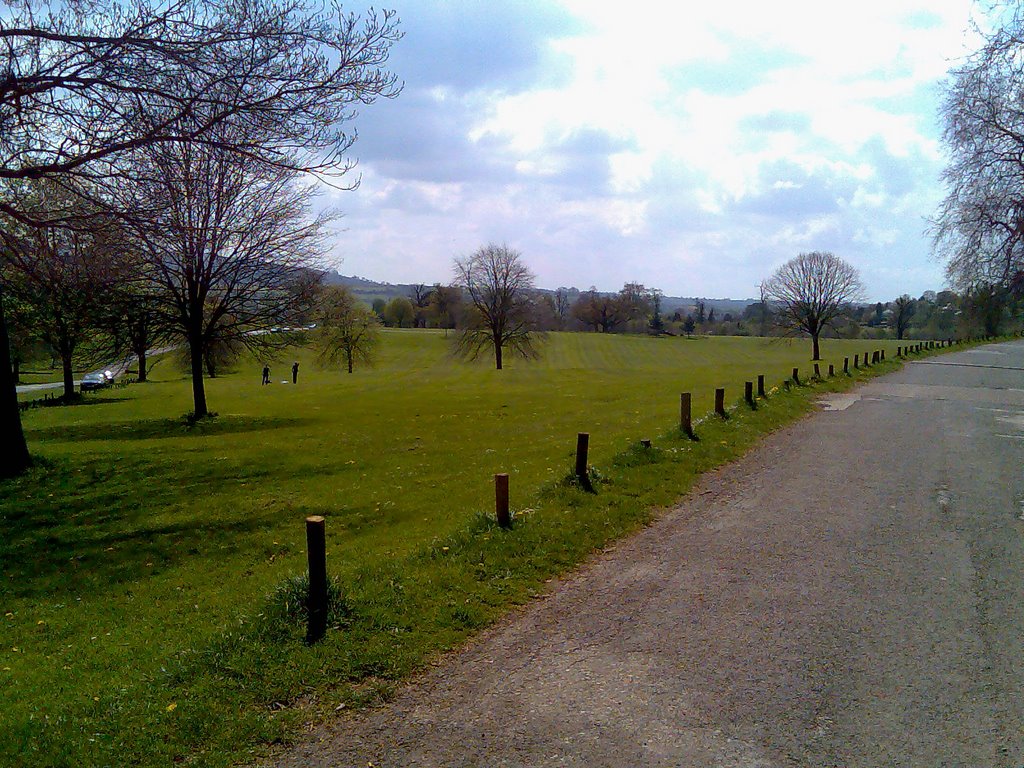
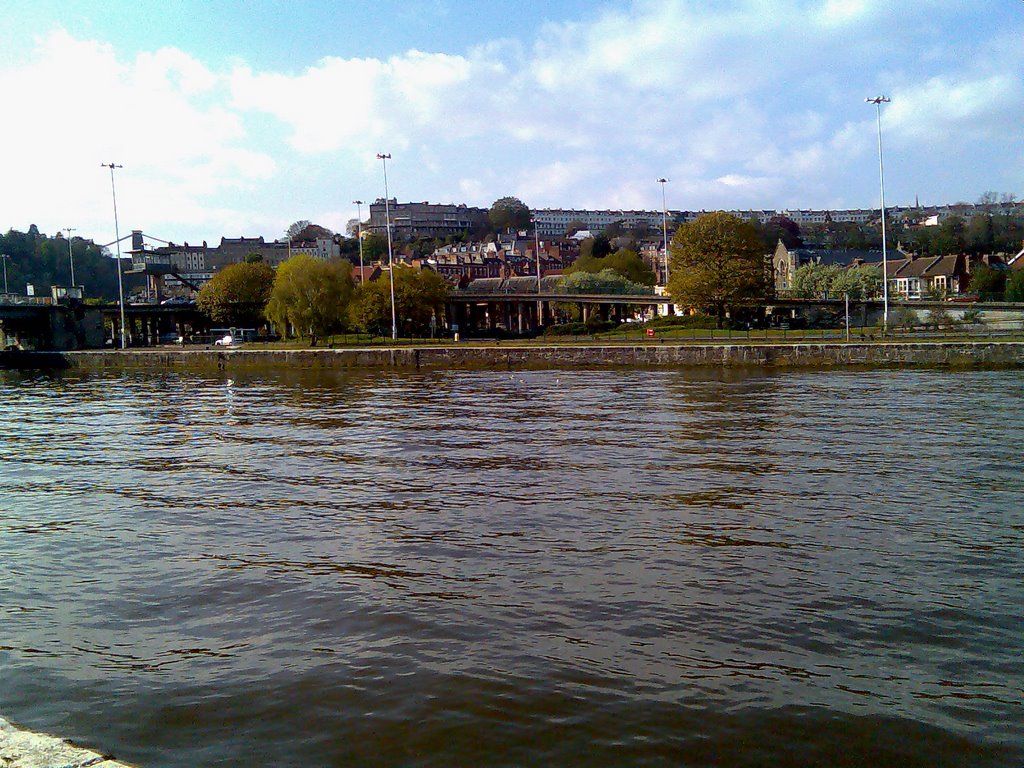
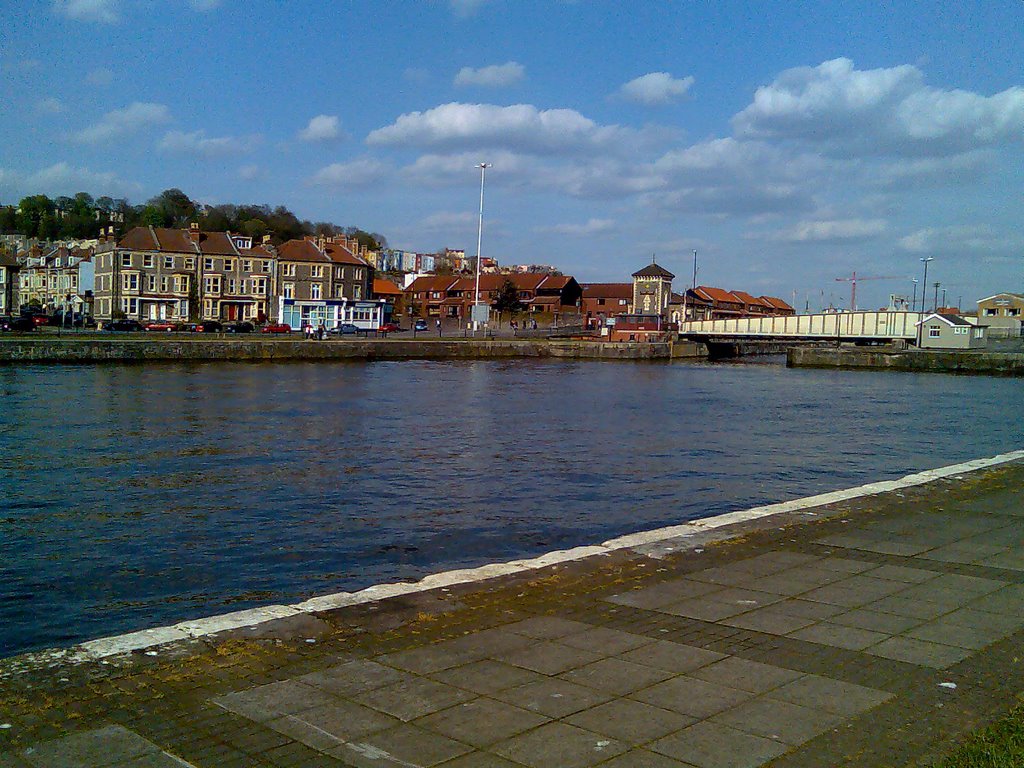
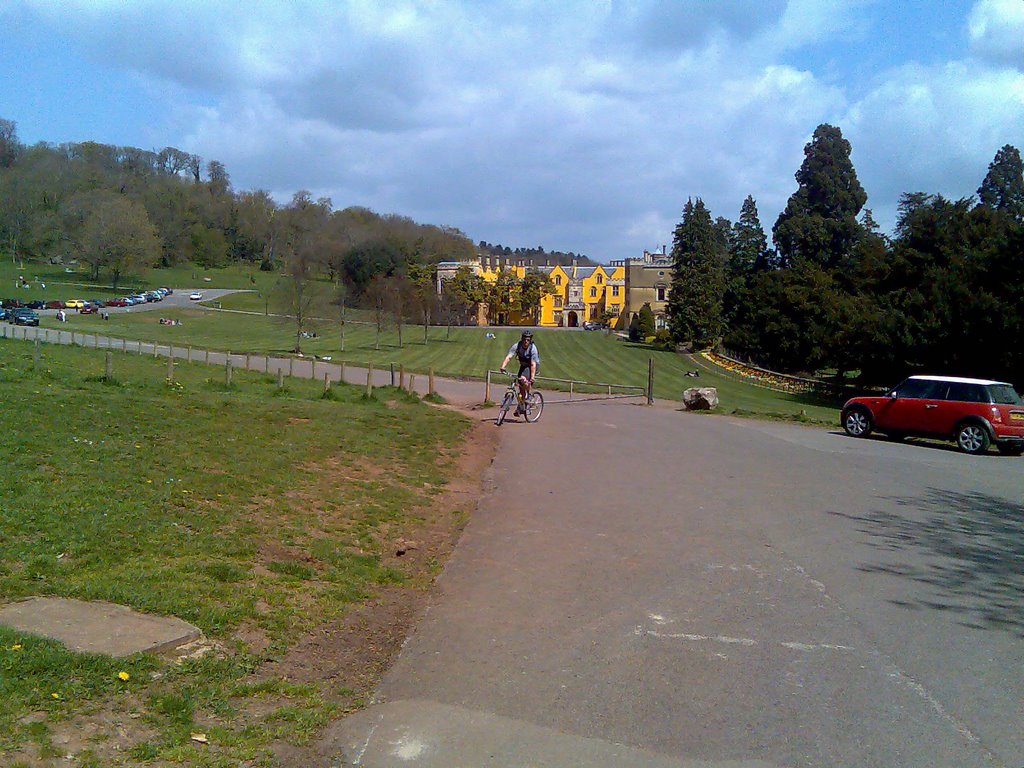
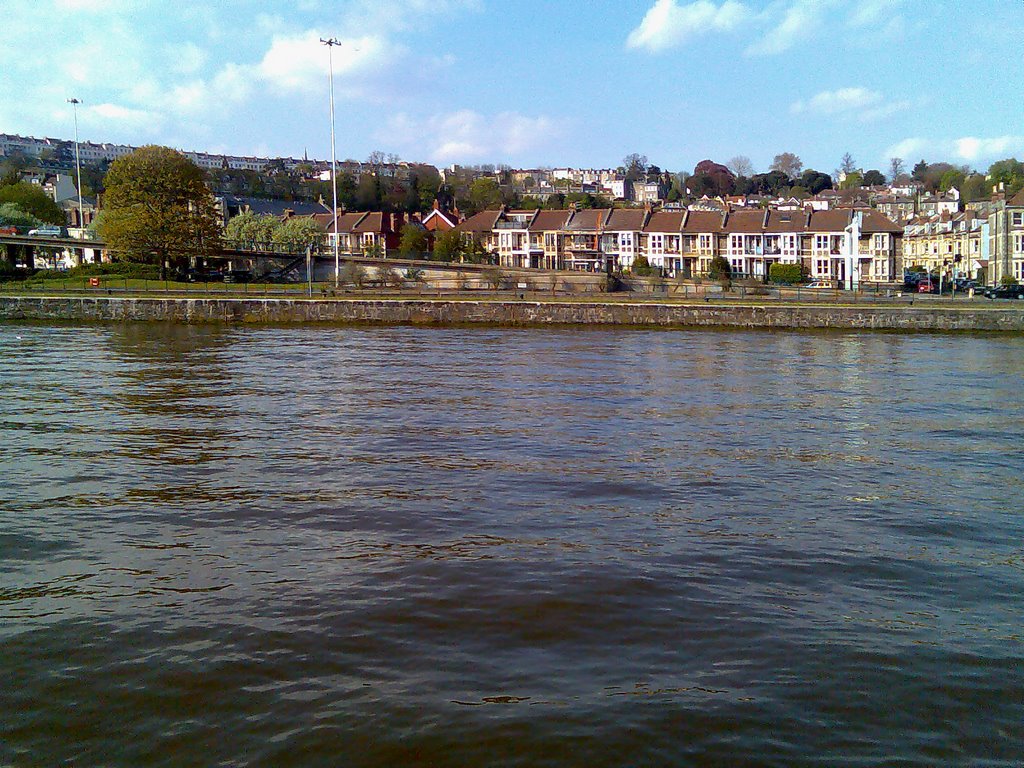
These are few of the selected photoes which I had taken at Bristol.

I have taken few more photoes, Please click here to view more.

Monday, May 01, 2006

What is Life?

"Life is not an inherent property of matter. Life is indeed associated with matter, but it appears only under very specific conditions and, when it does, it expresses itself in very diverse and individual ways...We shall come closest to understanding the principle of life if we can discover the principles according to which life could begin...How life did begin, however, can only be understood by appeal to historical evidence." Manfred Eigen

"Being alive is being sensitive to specific cues in the environment, to transduce and amplify minute signals into definite actions. Being alive is to achieve the long-range coordination of astronomical numbers of submicroscopic, molecular reactions over macroscopic distances. It is to be able to summon energy at will and engage in extremely rapid and efficient energy transduction" Mae-Wan Ho

There are different scholars have defined life in different ways however Manfred Eigen and Mae-Wan Ho has defined life comparing living systems and their relationship to the environment. Such knowledge can only give us perception about living systems and their relationship to the environment which define about what happened, not why it did. We should seek to understand some of the organizing principles of living systems, recognizing with humility.
Reflection on the nature of life even for a short while brings to mind the awesome variety, coherence, and organization in the functioning of live organisms. Exchange of materials with the environment and adaptation to environment are also evident. While we can try to understand these interactions, and guess at how life might have evolved on Earth, we can only guess at how life did begin and survive. In the words of the Nobel Laureate Manfred Eigen, "life is historical reality."
References:
Eigen, Manfred. Steps Towards Life: A Perspective on Evolution.
Mae-Wan Ho. The Rainbow and the Worm, Singapore: World Scientific Publications, 1994. p. 10

Thursday, April 13, 2006

Social development:

Human attachments and their loss or disruption represents and important way of trying to understand how early experience can affect later development. Sociability refers to one of three dimensions of temperament (the others being emotionality and activity), which are to be present at birth and inherited (Buss & Plomin, 1984). Specifically, Sociability is:
* Seeking and being especially satisfied by rewards from social interaction.
* Preferring to be with others
* Sharing activities with others
* Being responsive to and seeking responsiveness from others.
According to Kagan et al. (1978), an attachment is: ……an intense emotional relationship that is specific to two people, that endures over time and in which prolonged separation from the partner is accompanied by stress and sorrow.
This definition applies to attachment formation at any point in the life cycle, our first attachment acts as a prototype (or model) for all later relationships. According to Hazan & Shaver (1987), attachment theory, as developed by Bowlby and Ainsworth in particular, offers a valuable perspective on adult romantic love, helping to explain both positive emotions (caring, intimacy, and trust) and negative emotions (fear of intimacy, jealousy, and emotional ‘ups and downs’).
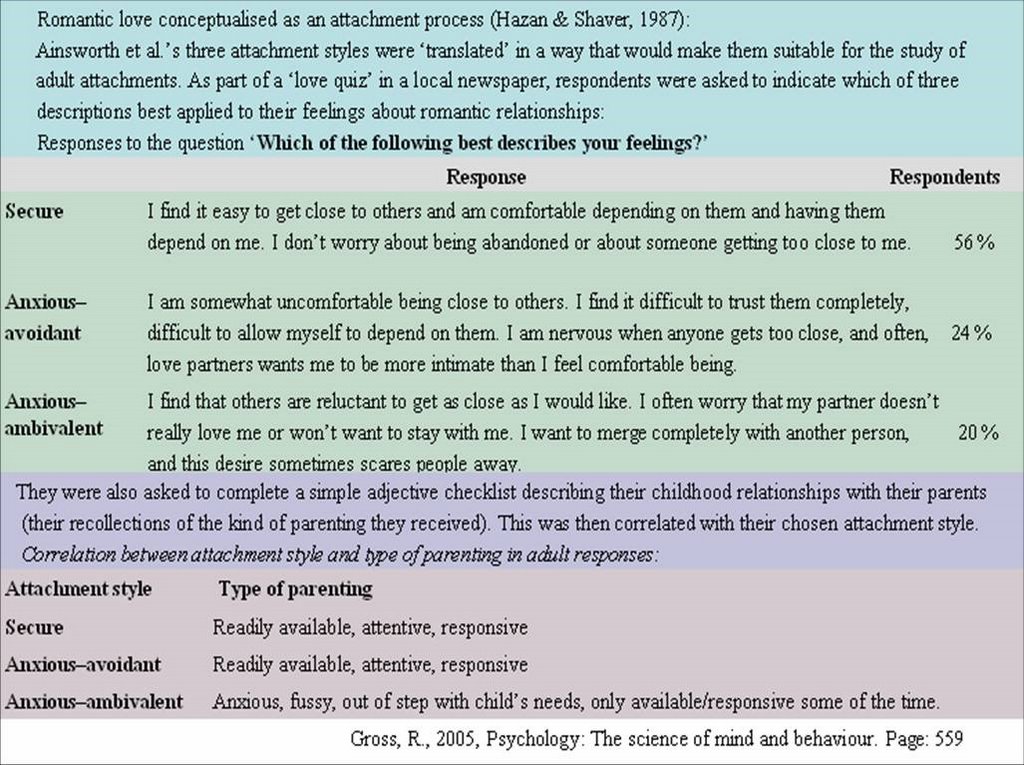
Hazan and Shaver were the first to apply Ainsworth et al.’s three basic attachment styles to adult – adult sexual/romantic relationships. Their study tried to answer the question: how are adults’ attachment patterns (in their adult relationships) related to their childhood attachments to their parents.
These results provided encouraging support for an attachment perspective on romantic love. Hazan & Shaver warned against drawing any firm conclusions about continuity between early childhood and adult experience. It would be excessively pessimistic, at least from point of view of the insecurely attached person, if continuity were rule, rather than the exception. The correlations suggest that as we go further into adulthood, continuity with our childhood experiences decreases. The average person participates in several important friendships and love relationships, which provide opportunities for our mental models (Bowlby, 1973, internal working model) of self and others.
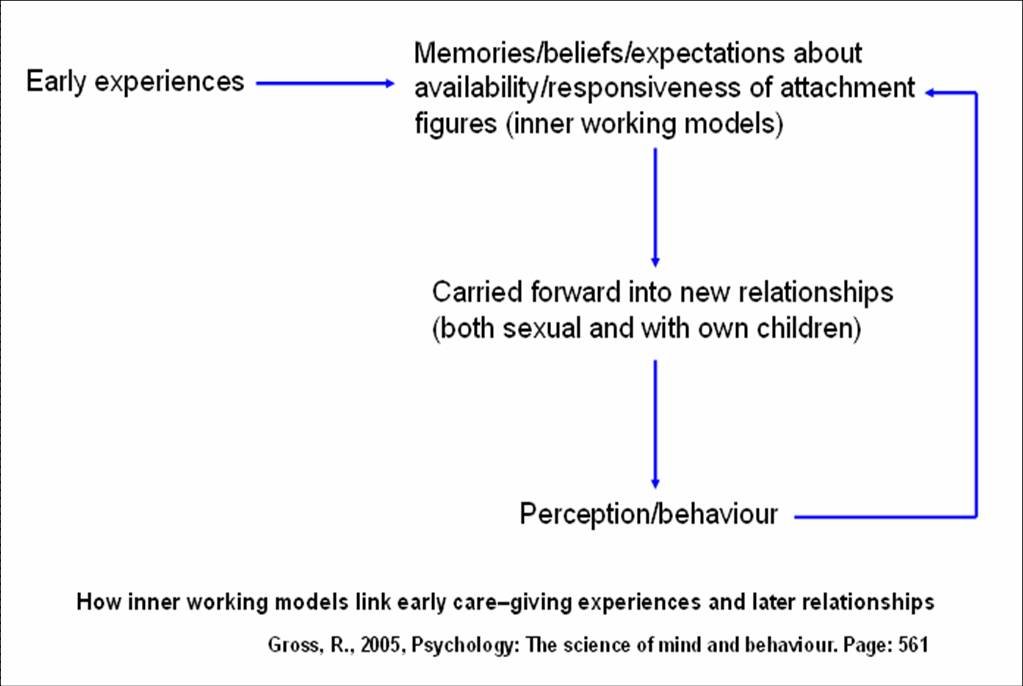
According to Bowbly (1973), expectations about the availability and responsiveness of attachment figure are built in to our inner working models of attachment. These reflect memories and beliefs stemming from our early experiences of care–giving, which carried forward into new relationships, both during childhood and beyond. They plan an active role in guiding perceptions and behaviour.
According to Waldrop & Halverson (1975), boys’ relationships are extensive, while girls’ are intensive. Boys’ friendship groups are larger and more accepting of newcomers than girls’. The level of competition between pairs of male friends is higher than it is between strangers – the opposite of girls. Despite some important gender differences in friendship quality, collaboration and cooperation are most common forms of communication in both boys’ and girls’ friendships.
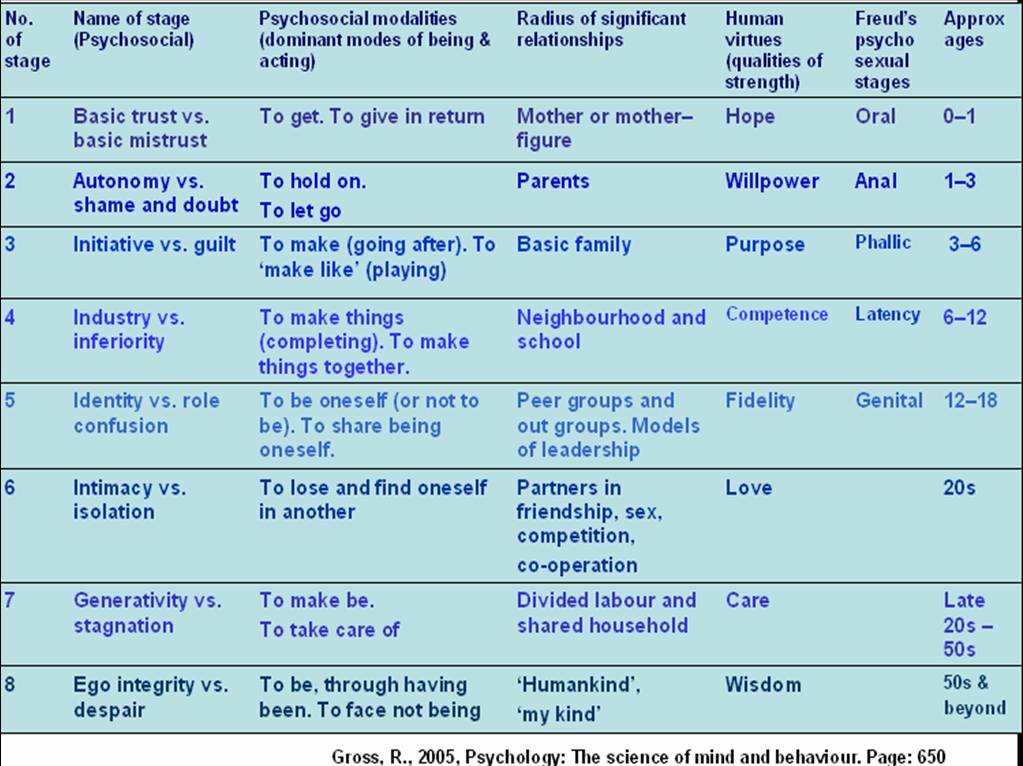
The evaluation of Erickson’s theory defines as follows:
The sequence from identity to intimacy may not accurately reflect present-day realities. In recent years, the trend has been for adults to live together before marrying, so they tend to marry later life than people did in past. Many people struggle with identity issues at the same time as dealing with intimacy issues.
Additionally, some evidence suggests that females achieve intimacy before ‘occupational identity’. The typical life course of women involves passing directly into a stage of intimacy without having achieved personal identity. Sangiuliano (1978) argues that most women submerge their identities into those of their partners, and only mid-life do they emerge from this and search for separate identities and full independence. There’s also a possible interaction between gender and social class. Or example, working-class men see early marriage as a ‘good’ life pattern: early adulthood is a time for ‘settling down’, having family and maintaining a steady job. By contrast, middle-class men and women see early adulthood as a time for exploration, in which different occupations are tried. Marriage tends to occur after this, and ‘setting down’ doesn’t usually take place before 30 (Neugarten, 1975). There’s also evidence of an interaction between gender, race and culture. As Gilligan (1982) has observed: the female comes to know herself as she is known, through relationships with others.
Marriage is an important transition for young adults, because it involves a lasting personal commitment to another person, financial responsibilities and, perhaps, family responsibilities. Marriage and preparation for marriage can be very stressful. Davis (1956) identified mental disorders occurring for the first time in those who engaged to be married. Typically, these were anxiety and depression which began in connection with an event that hinged on wedding date. Since the disorders improved when the engagement was broken off or wedding took place, Davies concluded that it was the decision to make the commitment that was important, rather than the act of getting married itself.
Couples who live together (or cohabit) before marriage are more likely to divorce later, and be less satisfied with their marriages, than those who marry without having cohabited. Also, about 40 percent of couples who cohabit don’t marry. While this suggests that cohabitation may prevent some divorces, cohabits who marry are more likely to divorce.
It’s long been recognised that mortality is affected by marital status. Married people tend to live longer than unmarried people, are happier, healthier and have lower rates of various metal disorders than single, widowed or divorced.
Gross R. (2005), "Psychology The science of mind and behaviour" 5th edition, Hodder Arnold, London NW1 3BH

Tuesday, April 11, 2006

Why children abscond from home?

Today, when I was reading The Sun newspaper, I found a report about the children who run away from their home in teen age. This report brought my memory back when one of my family’s member ran away from family to do something on his own and get more freedom.
When children at development age (6 months–21 ages), he will start to discover his body and naturally want to explore his anatomy. Some children realise that he has got dangly bits down there and will want to be aware of what he can and can’t do in terms of what hurts and what doesn’t – it is completely innocent.
Sometime it might feel embarrassed when he does some mistake while out in public. But some people will laugh it off and will understand that it is just one of those things children do.
It is OK to discourage the children from his bad habit as long as you keep things low key. We shouldn’t scold him from doing this – or it could lead to bigger issues later in his life. If parents shout at him doing this, then he will feel embarrassed about his natural urge and ashamed of him. He could then grow up with complex.
Gentle reminders or convinces are a good way of just alerting him to the fact what he is doing and that should be enough for him to stop and realise that there is a time and place to discover his anatomy.
The only way parents will over – react is if they are constantly telling him not to do it. It is best to turn a blind eye now and again, or he could start to use his behaviour as a tool to get their attention.
It is the same with children who pick their noses. The habit starts off innocently when they need to clear their nose but don’t have a tissue paper.
The automatic reaction is to use finger but they are reprimanded and told this is a dirty habit – so they end up doing it when they think no one’s looking or deliberately in order to get their parents or other attention.
Equally if parents laugh – even out of embarrassment when they repeat it for a reaction, whether it is good or bad. It is all about good manners. Parents have to discourage children’s unsavoury habits but without shaming them into submission.
Let’s move topic on the pragmatism of children who run away from home. There are so many reasons behind it: want more freedom than their parents would give them, poverty, domestic violence, appraise like others to get experience and so on. Once they run away from home, they start begging for food or do different stuff of job for food, and started sleeping in the streets, under bridges, in ditches or camped in a tent with friends. For while vulnerable youngsters will still flee home to escape abuse, neglect or family conflict, there will be fewer places to keep them safe. The problem is immense. Because most of runaways start to seek help from other adults who may harm, exploit or hurt them. Heartbreakingly, these under – 16s fall victim to pimps, paedophiles, drug dealer and some of them can’t cope and will come back to home. At last but not least, it is really dangerous life they live on the streets. Some of them are lucky who will be offered them by good people to help them for their good life.

Monday, April 10, 2006

How can we be better off?

Most of our Nepalese people come from humble origins – medium and low class family. Most of us work very hard which is mainly some of them about thier meals, getting enough to eat. But few of the rich generation has all the things we need - food, a flat and some everyday living stuff, like a TV set and air conditioning.
How ever, developed countries people benefit even further because of the development. For them, it will be about how to enjoy a better life and like having holidays, travelling around. How can we be better off? It is a good question, isn't it?