Monday, July 31, 2006

The basic needs of human life:

Numerous researches have been done about the human basic needs to make life comfortable. Most of the work which we perform are directly or indirectly associated with human needs to make comfortable life. In order to survive every living system satisfies the conditions which allow to overcome the law of entropy that governs the microscopic world. Every living system needs three basic things in life: Material, Love and Value to survive.
Every living thing need to satisfy a variety of conditions which are commonly known as material needs, for example: food, housing, heating, energy. When all those conditions are met then it is experienced as material well–being. In case those conditions are not met then suffering takes place in the form of hunger, poverty, illness, and death.
Syntropy is the main source from which life gets its energy and its movement. If the connection of syntropy will lost in this case, entropy prevails, and the living system dies. It is necessary to be connected with syntropy in order to stay alive. This need is felt in the form of attraction and love. When this need is not satisfied, feelings of inner pain are experienced in the form of emptiness, anxiety, fear, panic, imminent death and death. Consequently this point signify need of connection, the need of love is a basic need of life.
The relation between entropy and syntropy guides to another basic need which is commonly known as need of value. This need originates from two incompatible considerations: on one side we feel we exist, while on the other side, comparing ourselves with the outer world which is infinitely large, we discover that we are infinitely small; we are equal to nothing. To be equal to nothing is incompatible with the feeling of life. Syntropy is at the basis of our feeling of life, but on the other hand we discover that we are equal to nothing. The conflict between the “feeling of life” and the fact that “we are equal to nothing” causes a deep dissipation of energy (entropy) which is experienced in the form of depression, and in extreme cases leads to death. When we find a value in our life this conflict is reduced and consequently depression diminishes.
However if we are not able to find a value depression increases and suffering can become so serious that mental illness and death are observed.
It is interesting to note that the need of value has its origin in the “identity conflict”, the conflict between the feeling of life and the knowledge that we are equal to nothing. It is possible to express this conflict in the form of an equation:
This equation can be read in the following way: “I compared to the universe am equal to nothing”. This conflict can be solved when:
“I united to the universe, compared to the universe am equal to I”.
This last equation shows that:
Love gives value to life. Love is a property of syntropy. Only uniting ourselves to the universe through love the identity conflict is solved and the need of value satisfied.
The need of love and the need of value are united. It is not possible to face separately the need of value and the need of love: in each moment it is necessary to consider these two needs together.
Only when material needs are satisfied the need of love and value arises. When the material need is so urgent that survival is at risk the material need gives value to life. People fighting for survival experience the fact that their fight is important meaningful.

I / Universe = nothing

I x Universe / Universe = I

On the contrary, when survival is no more at risk, people feel the absence of a meaning, of a value and feel the identity conflict and depression. For this reason in societies where the material need is answered people experience inner suffering with increasing levels of depressions, anxiety and panic.
Most people believe that these forms of suffering are part of the natural human condition that we are condemned to live. Developing the basic needs model we find that this inner suffering is part of a path which will lead humans to a new era in which love and value will be widely experienced, and permanently satisfied.
Reference:
Ulisse Di Corpo,2005, The three basic needs of life: material, love and value.

Sunday, June 11, 2006

Teacher Training Course:

Last year, I had applied for PGCE (Postgraduate Certificate in Education) Course for Manufacturing and Design, ICT and Mathematics. I was invited by Hull University for Mathematics unfortunately I had bad time so I couldn’t continue this course. I was also selected in Teaching Tester Course which was run by UWE and Teacher Training Agency. The main purpose of school visit was to take a taste of the contemporary primary or secondary school. School in Britain have diverse ethnic mix, where as schools in the outskirts will have a less diverse background and pupils may travel a fair distance to get there. Although we will get a good impression of school life, it is important to remember that this is just a snapshot of life at the school we visit and the primary and secondary schools in general.
The questions below which are suggestions of what we might think about while observing lessons. These observations will form part of discussions that we might have when we apply successfully to the PGCE we will be asked to discuss our observations at interview.
1. Make general observations about the school. What is our overall impression of the school physically and in terms of pupil behaviour etc? Take a note of the displays of pupils’ work; displays of interest (how do these reflect the school’s geography and ethos?); information boards; room layouts; ICT equipment; specialist areas; resources and the resource centre/library; sports facilities; general upkeep of the school.
2. If we get the chance to observe a lesson, take note of the following:
Firstly, make some notes about the class:
What is the age range of the class?
How many pupils are in the class?
How many adults are working with the pupils (including teachers and assistants)?
As the class begins, make some observations:
How does the teacher begin the lesson/how do the pupils know the lesson has started?
How does the teacher ensure the class are quite and playing attention/how does he/she get the pupils’ attention?
How much time does the teacher spend talking to the class and introducing the lesson?
Through the middle of the lesson/session, try and speak to the pupils about their work:
Do the class know what they are doing?
Do they where this lesson/session fits in with other sessions?
How are they using resources and equipment?
Is the class working in groups or on their own?
Speak to the teacher and observe him or him in the way he/she interacts with the class:
How does the teacher deal with children who are noisy or disruptive?
How does he/she share out attention to all the class?
If there is one, how does the Learning Supporter work with the class?
How does the teacher respond to questions? Does he/she stop the class and speak to them all at any time?
As the lesson/session ends:
How does the teacher end the session?
How long has this lesson/session lasted?
Is equipment/resources tidied away and how does this happen?
3. In discussions with staff in school, note key issues that you think are important, try and get an idea of how the subject you might teach plays a role in the school and in the curriculum.

Thursday, June 01, 2006

Why do we need to know more about technology?

The meaning of the word "technology" evolved to reflect the changes. In the nineteenth century, technology referred simply to the practical arts used to create physical products, everything from wagon wheels and cotton cloth to telephones and steam engines. In the twentieth century, the meaning of the word was expanded to include everything involved in satisfying human material needs and wants, from factories and the organizations that operate them to scientific knowledge, engineering know-how, and technological products themselves.
In the development of human history, technology was mainly the area of craftsmen who passed their know-how (knowledge or skill) down from generation to generation. This know-how gradually improved in designs, and added a new techniques and materials. By the beginning of the twentieth century, technology had become a large-scale enterprise that depended on large stores of knowledge, skill and know-how which is too much for any one person to be a master.
The nature of technology has changed dramatically in the past hundred years. Indeed, the very idea of technology as we now consider it is relatively new. Now, large organizations were required for the development, manufacture, and operation of new technologies. Complex networks of interdependent technologies were developed, such as the suite of technologies for the automobile. These include gas and oil refineries, filling stations and repair shops, tire manufacturers, automobile assembly plants, the highway system, and many more. The government began to play a larger role in shaping technology through technological policies and regulations.

Friday, May 12, 2006

What is frustration and burnout?

Burnout is defined as a psychological syndrome of emotional exhaustion, depersonalization and reduced personal accomplishment in response to chronic interpersonal stressors on the job. Other symptoms include a feeling of depersonalization, described as the development of negative, cynical attitudes towards the recipients of one’s service, sense of helplessness, progressive apathy, cold and illness in pressured, overzealous relief at the end of the day, disillusionment with field of work, increased alcohol or drug use, and work related dreams with anxiety and guilt. Self–reporting of burnout is most often labelled as feelings of frustration. Frustration is a sense of powerlessness and isolation.
Inadequate communication and unrealistic expectations are also result of overload in staff and feeling of isolation. For instance, social workers can also become frustrated when more time is spent on paperwork than with clients. Money or salary (Wages) is not only the motivation factor to work however workers often seek the intrinsic value of the opportunity to help or to have a sense of purpose. Negative communication from co–workers or supervisors is also one cause of burn–out.
Age and gender have been associated with workplace frustration and burnout. However, inadequate skills and lack of experience may explain the age differences in levels of burnout, as younger workers are more likely to be inexperienced. Female workers compose a large percentage of the person–centred working population and may present their own problems. Women are often “other focused” and may have difficulty asking for help and support and in communicating their own needs.
In summary, individual characteristics can contribute to one’s ability to cope with high stress clients or in high stress fields of practice are the key factors of burnout. In terms of individual characteristics, younger workers and women tend to be more vulnerable to burnout than the older workers and men.

Monday, May 08, 2006

Wednesday, May 03, 2006

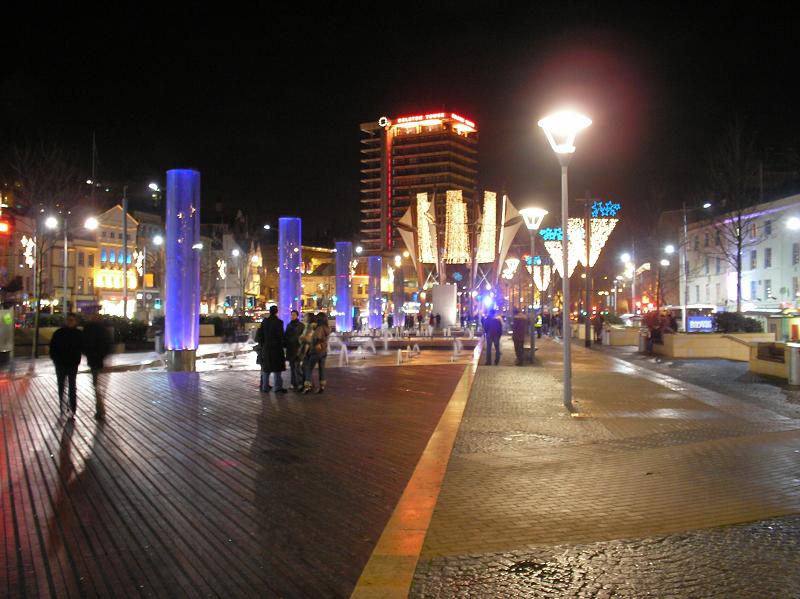
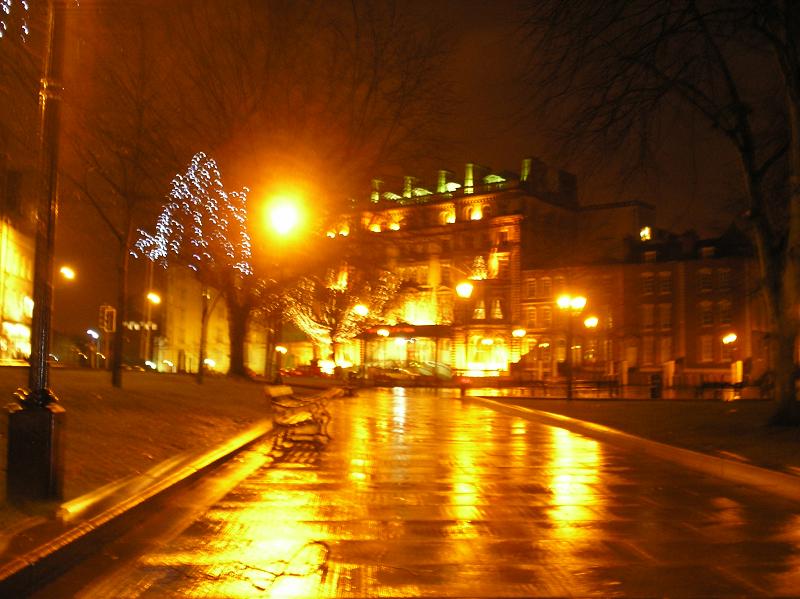
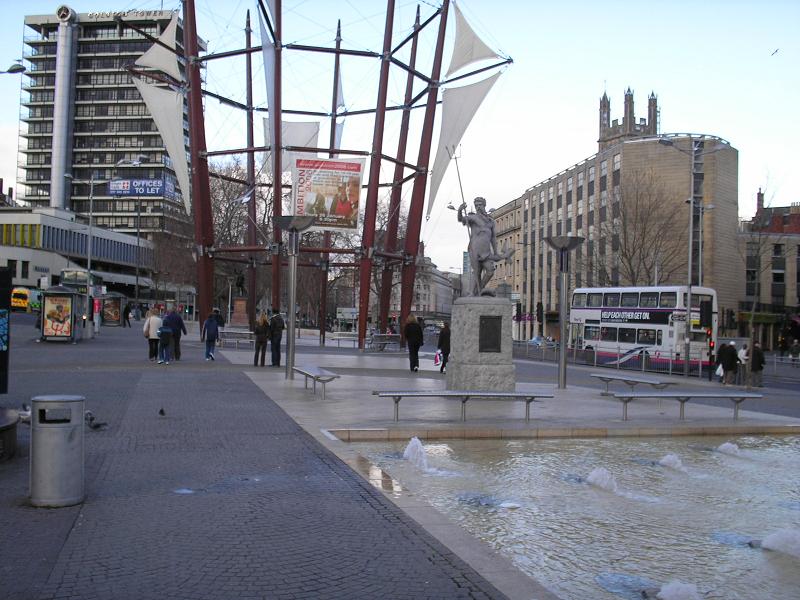
Walking around the Bristol:

Last few weeks ago, Me and Ambika Dhakal was walking around Bristol city centre. I asked him to go Bristol Induatrial museum then Art Gallery. While we were at Bristol University, we saw Kathmandu store which brought our memory back about our Capital Kathamndu. Unfortunately, we didn't get time to visit inside the store however I had taken this photo:
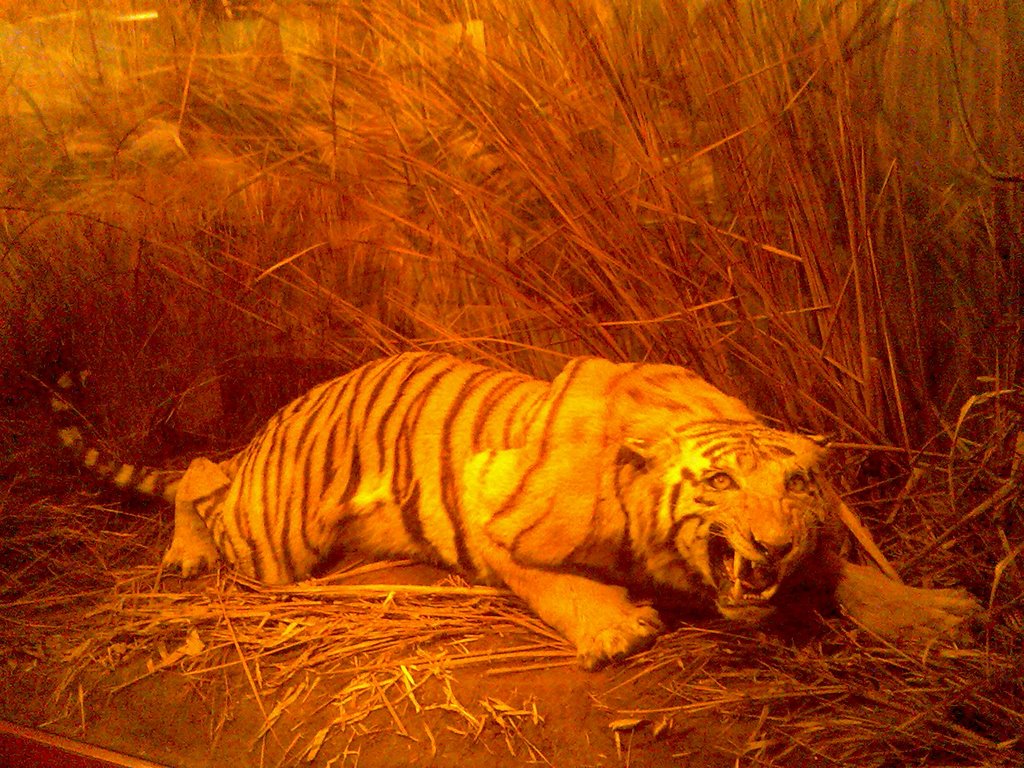
While visiting art museum, we found this tiger's skin was brought from Chitwan, Nepal. This tiger was hunted by British emperor when they used to rule in India.
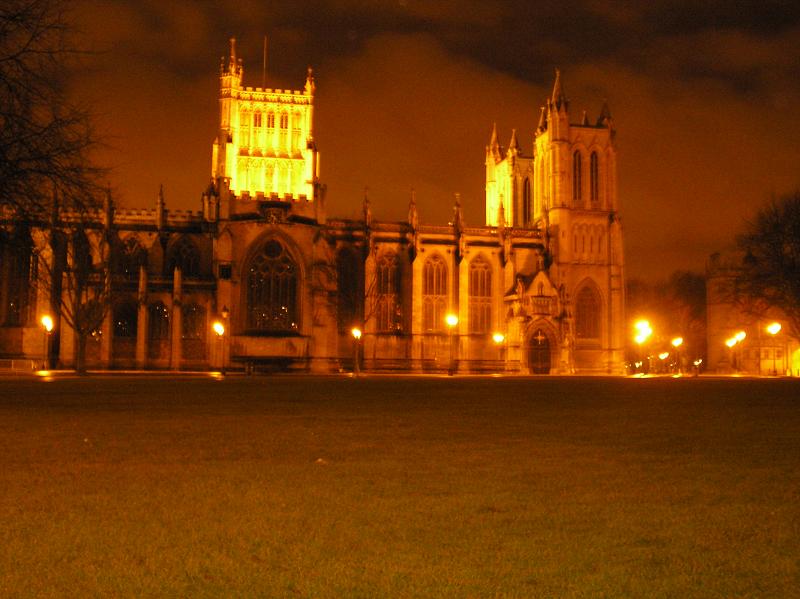
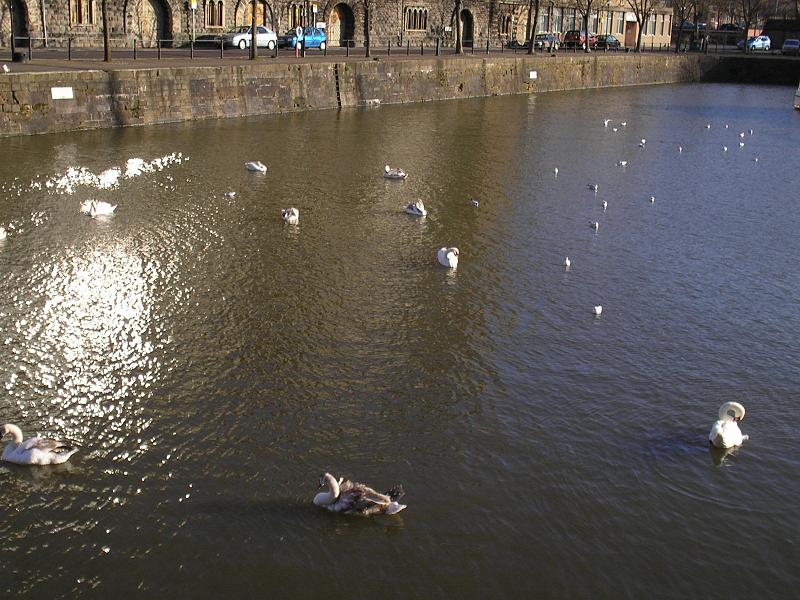
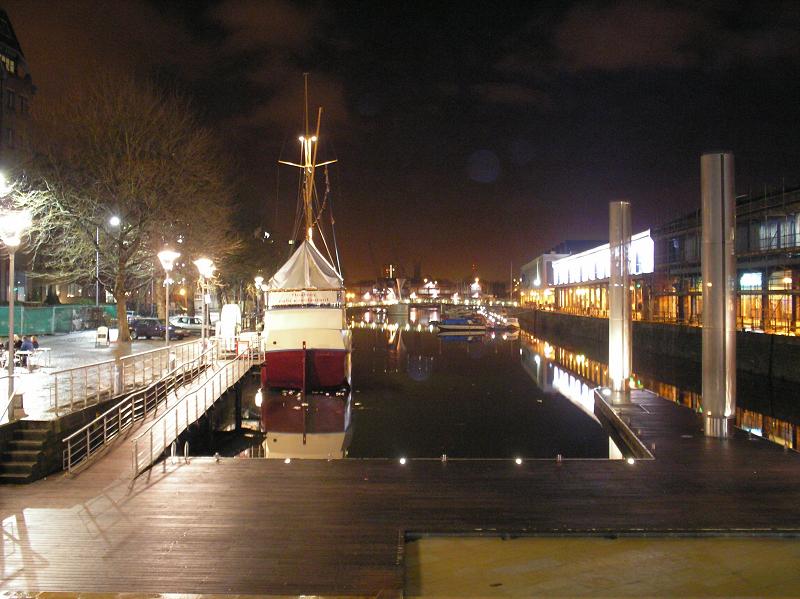
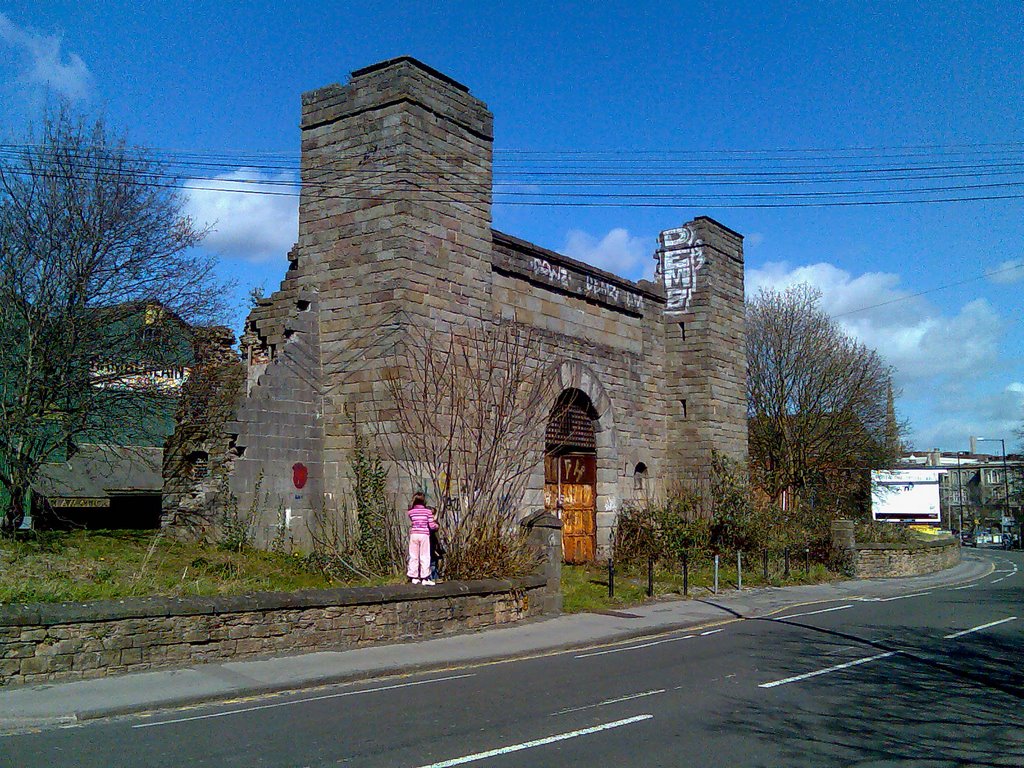
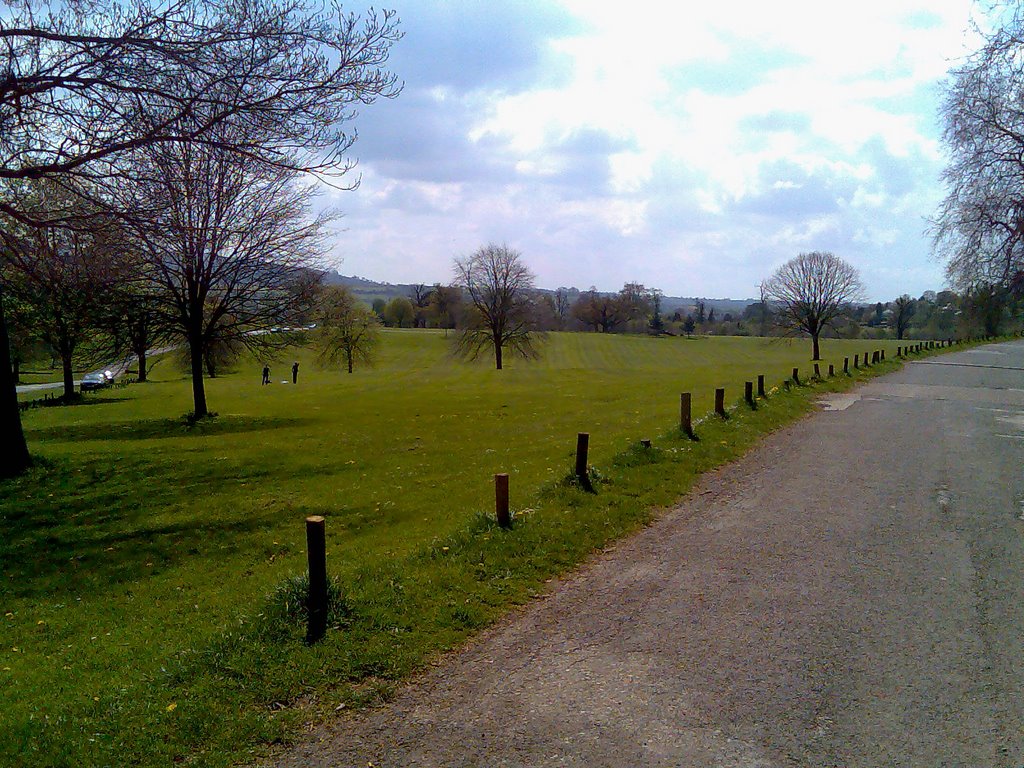
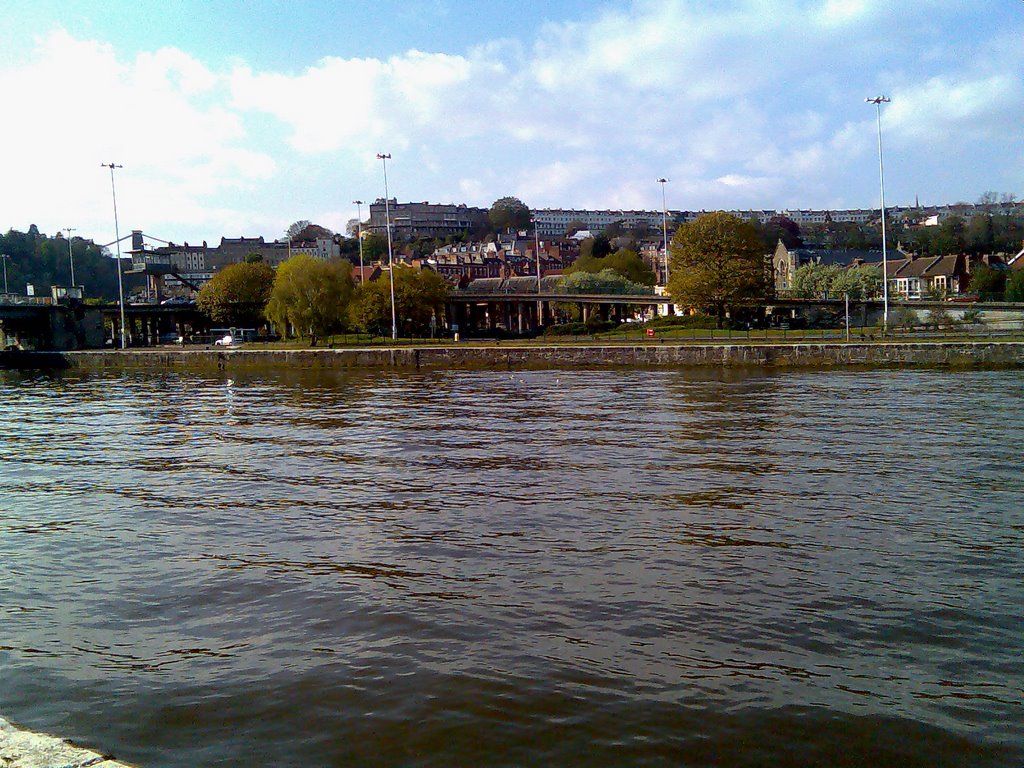
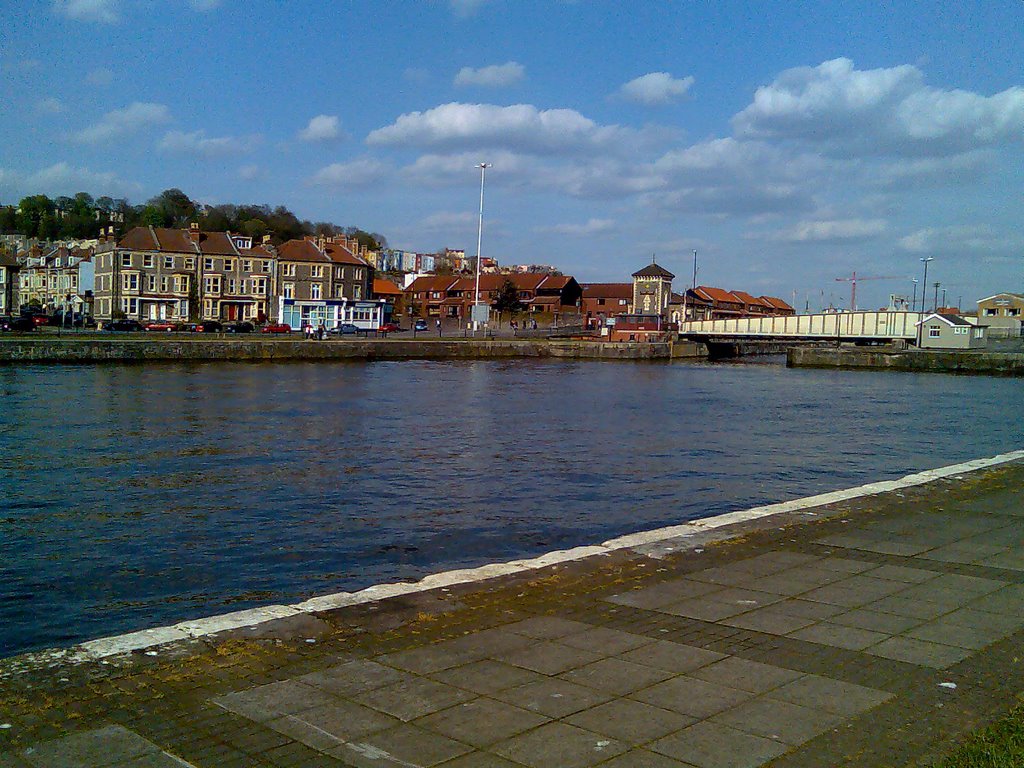
These are few of the selected photoes which I had taken at Bristol.

I have taken few more photoes, Please click here to view more.

Monday, May 01, 2006

What is Life?

"Life is not an inherent property of matter. Life is indeed associated with matter, but it appears only under very specific conditions and, when it does, it expresses itself in very diverse and individual ways...We shall come closest to understanding the principle of life if we can discover the principles according to which life could begin...How life did begin, however, can only be understood by appeal to historical evidence." Manfred Eigen

"Being alive is being sensitive to specific cues in the environment, to transduce and amplify minute signals into definite actions. Being alive is to achieve the long-range coordination of astronomical numbers of submicroscopic, molecular reactions over macroscopic distances. It is to be able to summon energy at will and engage in extremely rapid and efficient energy transduction" Mae-Wan Ho

There are different scholars have defined life in different ways however Manfred Eigen and Mae-Wan Ho has defined life comparing living systems and their relationship to the environment. Such knowledge can only give us perception about living systems and their relationship to the environment which define about what happened, not why it did. We should seek to understand some of the organizing principles of living systems, recognizing with humility.
Reflection on the nature of life even for a short while brings to mind the awesome variety, coherence, and organization in the functioning of live organisms. Exchange of materials with the environment and adaptation to environment are also evident. While we can try to understand these interactions, and guess at how life might have evolved on Earth, we can only guess at how life did begin and survive. In the words of the Nobel Laureate Manfred Eigen, "life is historical reality."
References:
Eigen, Manfred. Steps Towards Life: A Perspective on Evolution.
Mae-Wan Ho. The Rainbow and the Worm, Singapore: World Scientific Publications, 1994. p. 10

Thursday, April 13, 2006

Social development:

Human attachments and their loss or disruption represents and important way of trying to understand how early experience can affect later development. Sociability refers to one of three dimensions of temperament (the others being emotionality and activity), which are to be present at birth and inherited (Buss & Plomin, 1984). Specifically, Sociability is:
* Seeking and being especially satisfied by rewards from social interaction.
* Preferring to be with others
* Sharing activities with others
* Being responsive to and seeking responsiveness from others.
According to Kagan et al. (1978), an attachment is: ……an intense emotional relationship that is specific to two people, that endures over time and in which prolonged separation from the partner is accompanied by stress and sorrow.
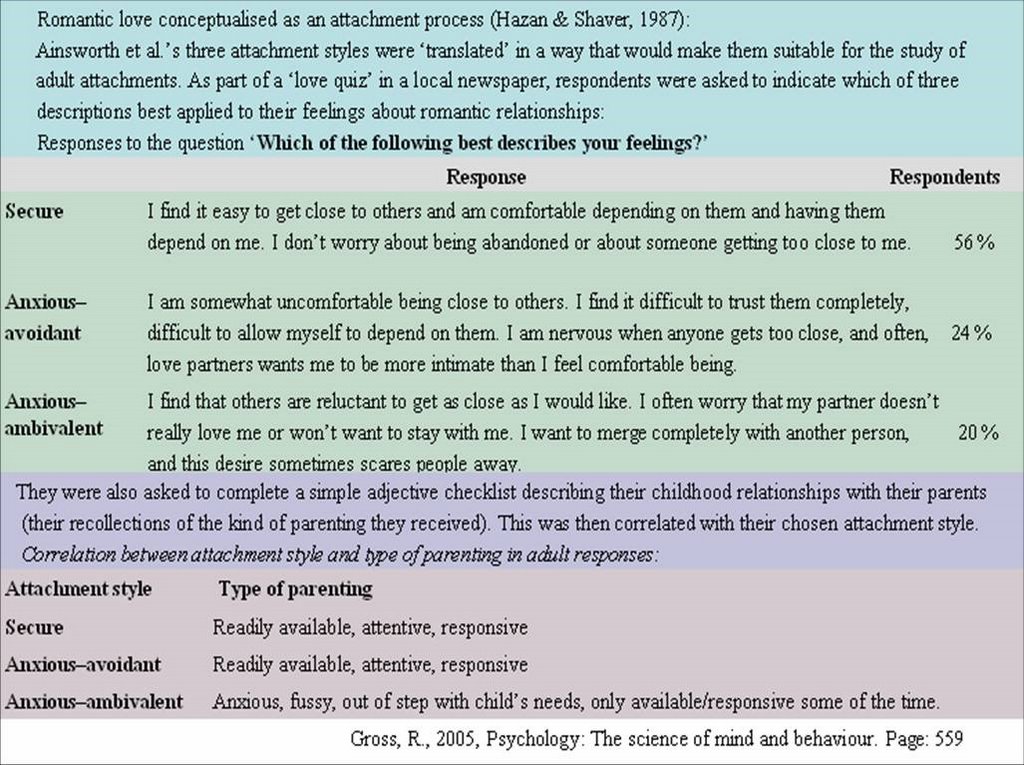
This definition applies to attachment formation at any point in the life cycle, our first attachment acts as a prototype (or model) for all later relationships. According to Hazan & Shaver (1987), attachment theory, as developed by Bowlby and Ainsworth in particular, offers a valuable perspective on adult romantic love, helping to explain both positive emotions (caring, intimacy, and trust) and negative emotions (fear of intimacy, jealousy, and emotional ‘ups and downs’).
Hazan and Shaver were the first to apply Ainsworth et al.’s three basic attachment styles to adult – adult sexual/romantic relationships. Their study tried to answer the question: how are adults’ attachment patterns (in their adult relationships) related to their childhood attachments to their parents.
These results provided encouraging support for an attachment perspective on romantic love. Hazan & Shaver warned against drawing any firm conclusions about continuity between early childhood and adult experience. It would be excessively pessimistic, at least from point of view of the insecurely attached person, if continuity were rule, rather than the exception. The correlations suggest that as we go further into adulthood, continuity with our childhood experiences decreases. The average person participates in several important friendships and love relationships, which provide opportunities for our mental models (Bowlby, 1973, internal working model) of self and others.
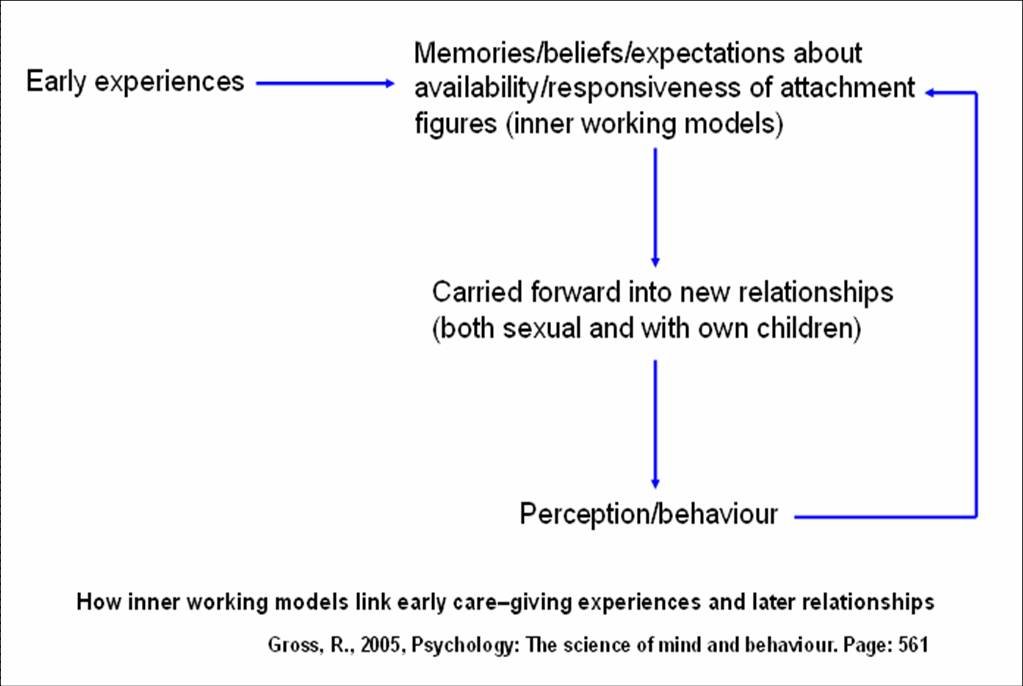
According to Bowbly (1973), expectations about the availability and responsiveness of attachment figure are built in to our inner working models of attachment. These reflect memories and beliefs stemming from our early experiences of care–giving, which carried forward into new relationships, both during childhood and beyond. They plan an active role in guiding perceptions and behaviour.
According to Waldrop & Halverson (1975), boys’ relationships are extensive, while girls’ are intensive. Boys’ friendship groups are larger and more accepting of newcomers than girls’. The level of competition between pairs of male friends is higher than it is between strangers – the opposite of girls. Despite some important gender differences in friendship quality, collaboration and cooperation are most common forms of communication in both boys’ and girls’ friendships.
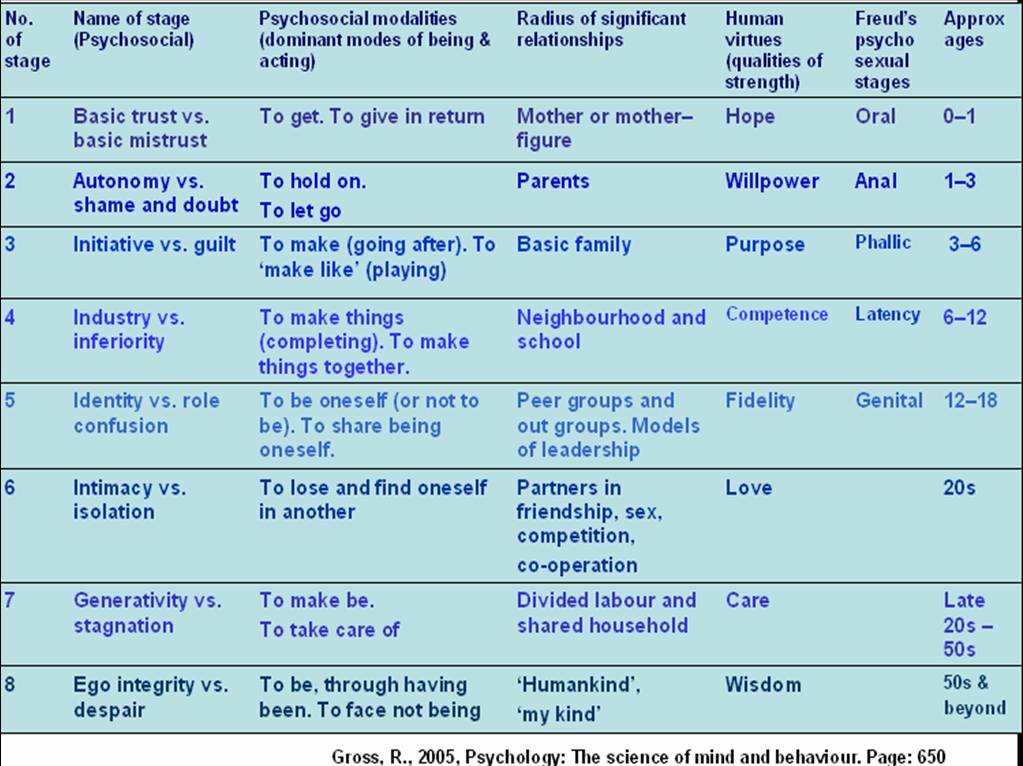
The evaluation of Erickson’s theory defines as follows:
The sequence from identity to intimacy may not accurately reflect present-day realities. In recent years, the trend has been for adults to live together before marrying, so they tend to marry later life than people did in past. Many people struggle with identity issues at the same time as dealing with intimacy issues.
Additionally, some evidence suggests that females achieve intimacy before ‘occupational identity’. The typical life course of women involves passing directly into a stage of intimacy without having achieved personal identity. Sangiuliano (1978) argues that most women submerge their identities into those of their partners, and only mid-life do they emerge from this and search for separate identities and full independence. There’s also a possible interaction between gender and social class. Or example, working-class men see early marriage as a ‘good’ life pattern: early adulthood is a time for ‘settling down’, having family and maintaining a steady job. By contrast, middle-class men and women see early adulthood as a time for exploration, in which different occupations are tried. Marriage tends to occur after this, and ‘setting down’ doesn’t usually take place before 30 (Neugarten, 1975). There’s also evidence of an interaction between gender, race and culture. As Gilligan (1982) has observed: the female comes to know herself as she is known, through relationships with others.
Marriage is an important transition for young adults, because it involves a lasting personal commitment to another person, financial responsibilities and, perhaps, family responsibilities. Marriage and preparation for marriage can be very stressful. Davis (1956) identified mental disorders occurring for the first time in those who engaged to be married. Typically, these were anxiety and depression which began in connection with an event that hinged on wedding date. Since the disorders improved when the engagement was broken off or wedding took place, Davies concluded that it was the decision to make the commitment that was important, rather than the act of getting married itself.
Couples who live together (or cohabit) before marriage are more likely to divorce later, and be less satisfied with their marriages, than those who marry without having cohabited. Also, about 40 percent of couples who cohabit don’t marry. While this suggests that cohabitation may prevent some divorces, cohabits who marry are more likely to divorce.
It’s long been recognised that mortality is affected by marital status. Married people tend to live longer than unmarried people, are happier, healthier and have lower rates of various metal disorders than single, widowed or divorced.
Gross R. (2005), "Psychology The science of mind and behaviour" 5th edition, Hodder Arnold, London NW1 3BH

Tuesday, April 11, 2006

Why children abscond from home?

Today, when I was reading The Sun newspaper, I found a report about the children who run away from their home in teen age. This report brought my memory back when one of my family’s member ran away from family to do something on his own and get more freedom.
When children at development age (6 months–21 ages), he will start to discover his body and naturally want to explore his anatomy. Some children realise that he has got dangly bits down there and will want to be aware of what he can and can’t do in terms of what hurts and what doesn’t – it is completely innocent.
Sometime it might feel embarrassed when he does some mistake while out in public. But some people will laugh it off and will understand that it is just one of those things children do.
It is OK to discourage the children from his bad habit as long as you keep things low key. We shouldn’t scold him from doing this – or it could lead to bigger issues later in his life. If parents shout at him doing this, then he will feel embarrassed about his natural urge and ashamed of him. He could then grow up with complex.
Gentle reminders or convinces are a good way of just alerting him to the fact what he is doing and that should be enough for him to stop and realise that there is a time and place to discover his anatomy.
The only way parents will over – react is if they are constantly telling him not to do it. It is best to turn a blind eye now and again, or he could start to use his behaviour as a tool to get their attention.
It is the same with children who pick their noses. The habit starts off innocently when they need to clear their nose but don’t have a tissue paper.
The automatic reaction is to use finger but they are reprimanded and told this is a dirty habit – so they end up doing it when they think no one’s looking or deliberately in order to get their parents or other attention.
Equally if parents laugh – even out of embarrassment when they repeat it for a reaction, whether it is good or bad. It is all about good manners. Parents have to discourage children’s unsavoury habits but without shaming them into submission.
Let’s move topic on the pragmatism of children who run away from home. There are so many reasons behind it: want more freedom than their parents would give them, poverty, domestic violence, appraise like others to get experience and so on. Once they run away from home, they start begging for food or do different stuff of job for food, and started sleeping in the streets, under bridges, in ditches or camped in a tent with friends. For while vulnerable youngsters will still flee home to escape abuse, neglect or family conflict, there will be fewer places to keep them safe. The problem is immense. Because most of runaways start to seek help from other adults who may harm, exploit or hurt them. Heartbreakingly, these under – 16s fall victim to pimps, paedophiles, drug dealer and some of them can’t cope and will come back to home. At last but not least, it is really dangerous life they live on the streets. Some of them are lucky who will be offered them by good people to help them for their good life.

Monday, April 10, 2006

How can we be better off?

Most of our Nepalese people come from humble origins – medium and low class family. Most of us work very hard which is mainly some of them about thier meals, getting enough to eat. But few of the rich generation has all the things we need - food, a flat and some everyday living stuff, like a TV set and air conditioning.
How ever, developed countries people benefit even further because of the development. For them, it will be about how to enjoy a better life and like having holidays, travelling around. How can we be better off? It is a good question, isn't it?

Sunday, April 09, 2006

Brunel 200

I have uploaded few of the photoes which I have taken on 8th of April 2006. To get more information about Brunel please, click here. Thank you,

Friday, April 07, 2006

Politicians and Journalists:

In a democracy, Politicians hold major role in country because we elect them to make our laws: they give legitimacy to our system above all others. Every democratic nation’s politicians are greater because they are elected, they make laws and some of them serve in government. Their functions as representatives legislators and executives give them a status within national life which is uniquely important: that of being the supreme expression of the democratic country.
I think politicians derive their authority from people sometime and in that case the media and journalist must strive to represent the interests of the people. Journalists do that partly by asking the questions witch people want answered however uncomfortable that that may be for politician. I think we cannot nourish democracy by “protecting” politicians if anything, we weaken it. And there is one more question arises, can media claim as opposition of politicians in that case? Of course not because it would be an abuse of their power (lets use the word “influence” to power) if they claimed to be real opposition to the government or related bodies.
Journalists and media play necessary democratic function (as against commercial function) is to provide information as fully and fairly as possible, which will allow those to make informed judgements-including about those they choose to govern them; and to act as media for diverse opinions.

Saturday, April 01, 2006

Does love mean never having to feel sorry?

Does love mean never having to feel sorry? This question strikes most of the time in my mind when one of my mate asked me to apologise to her. I cannot understand why should I apologise to her and apologise for what and how do I say?
I know nobody is ideal in everything. We go university and do different research however it doesn’t mean he/she is ideal in that particular thing. There are so many things we learn everyday by interacting and talking each other.
Nobody is ideal in Love so that we should feel sorry if we were wrong on something which hurt him/her. Such kind of feeling erase misconception between each other and we can understand each other in future. Especially in love, it needs nurturing, friendship, understanding, patience, caring, maturity, practicality, forethought, hindsight so on between each other. We are human beings so that sometime we apologise and feel sorry at times. It is a mutual understanding. It should not come in terms of ego and superiority.
I think ‘feeling sorry or apologise’ is an action of psychological feature that is outside of our area of influence. I mean, we do something or say something which is entirely usual for us but other person (boyfriend/girlfriend) takes it in a totally different way. Then, it is naturally we feel sorry for it. Now, there is one question arise whether we have to explicitly ask sorry depends on person’s (boyfriend/girlfriend) understanding. Can we stop our self from feeling sorry for something we have done to our loved one?
‘Feeling sorry or apologise’ is a function of comfort level where he/she knows that we would not have deliberately set out to hurt, harm, anger, bewilder or confuse that said to him/her. Hence, we don’t need to have to convince him/her of our feeling of sadness or guilty sometime. Confucius says in this term, we don’t have to say sorry, even if you feel sorry because what we feel, it will be felt by the other person as well.
We know that we don’t intend to hurt anybody however he/she feel bad that we hurt him/her, which it shows in their actions, in their voice, in their words and behaviour. The actual word ’sorry’ and ‘apologise’ don’t have to enter the conversation at all. Let’s make a small interesting scenario:
X and Y fight. They both make mistakes.
X says sorry to Y. Y says nothing.
Y tells X that he/she is hurt.
X says sorry to Y again. Also tells Y that he/she is hurt as well.
Y still doesn’t apologise.
X feels cheated that both people made mistakes but Y never cared to apologise.
Next time a fight happens, X feels sorry, but keeps that thought to him/herself.
It starts a downward spiral of gargantuan proportions. A situation that could have been solved by the saying of the sorry, rather than taking it differently or easily. I think, never saying sorry in love is a tad bit extreme. We are likely to make mistakes and hurt the other person, and not to apologise for it which can be disastrous depending on how immense the hurt.
Sometime we ask sorry just to make somebody superior which shows admitting to a lack of confidence (emotion & personality) and that change his/her opinion towards us. I think the value of a sorry is reduced when we have to ask for it. Even if the sorry is genuine, one cannot help wonder if the other person is saying it with sincerity or simply paying lip service, and that doubt can cause more problems.

Tuesday, March 28, 2006

Slow Dance

Yesterday, one of my best mate Sagar had sent this poem to me through email which I found really good.

Have you ever watched kids
On a merry-go-round?
Or listened to the rain
Slapping on the ground?
Ever followed a butterfly's erratic flight?
Or gazed at the sun into the fading night?
You better slow down.
Don't dance so fast.
Time is short.
The music won't last.

Do you run through each day
On the fly?
When you ask How are you?
Do you wait to hear the reply?
When the day is done
Do you lie in your bed
With the next hundred chores
Running through your head?
You'd better slow down
Don't dance so fast.
Time is short.
The music won't last.

Ever told your child,
We'll do it tomorrow?
And in your haste ,
Not see his sorrow?
Ever lost touch,
Let a good friendship die
Cause you never had time
To call and say,"Hi"
You'd better slow down.
Don't dance so fast.
Time is short.
The music won't last

When you run so fast to get somewhere
You miss half the fun of getting there.
When you worry and hurry through your day,
It is like an unopened gift....
Thrown away.
Life is not a race.
Do take it slower
Hear the music
Before the song is over.

Tuesday, March 07, 2006

The rise of the machines:

We human beings believe in development and we always want change in our daily activity, work, and life these are the main inspiration of development. The things or technologies and activities which our old generation hadn’t experienced on their life time, have been changed in our age and continuously going to be changed in future age. This is the symbol of progress and development. We human beings are curious of different thing so that we are advanced than animal. Sometime, a question arise in my mind that do we really see the consequences of new technology for which we are continuously struggling? I can give a very simple example or evidences of our past few year’s experiences and today’s development and future development experiences. Now a days even in work place, school, universities and so on, we use calculator to do simple mathematics, in work place different software help to do things like (ATM automated machinery, help to take decision and so on) which are making the human being as slave of technology. We must make the machine as a slave not being slaved of machine which I always believe.
I always remember when I was doing secondary level in Nepal and used to go village on summer vacation. The villagers used to ask me different questions like: have you travelled in train, have you travelled in airplane, have you seen that thing and so on. They used to imagine and I used to feel proud that I have seen and travelled. I was lucky in that sense because I used to live city and had got opportunity to experience and see all those things. In this statement, I want to argue that they are not backward. The only thing is they haven’t got opportunity to use or see.
Moore’s law is the proof that technology changes all round us at steady and constant rate. By the time we stop and think about just how quickly we adapt to and become dependent on new developments that new technology is quickly superseded. It won’t be long until the amount of processors on a single computer chip matches and then beats those organic switches that make up the human brain.
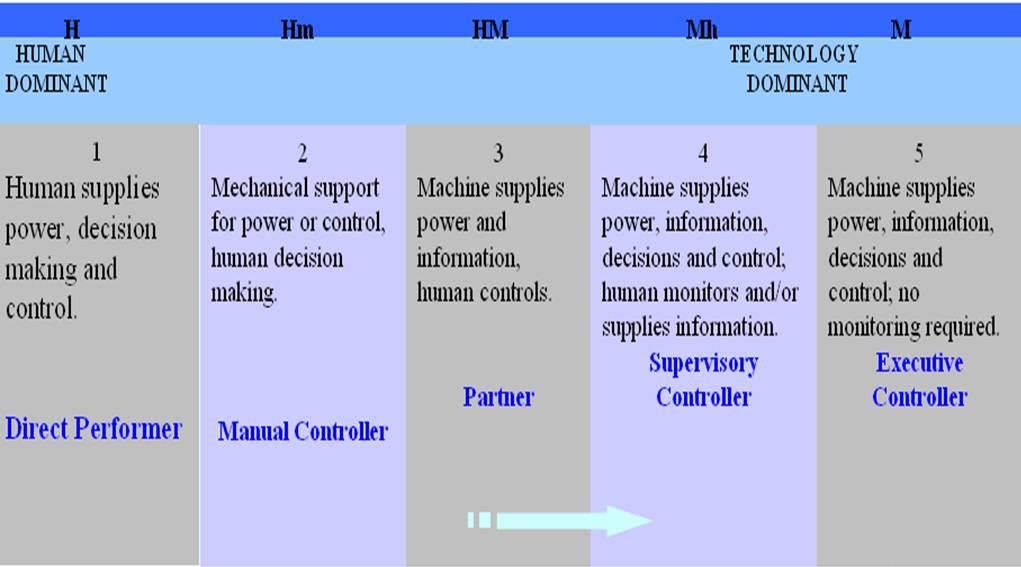
Today, technology is everywhere, in our homes, cars, shops, bank, universities, workplaces and it’s growing ever powerful. One day technology is going to be everything, and by then it might just be powerful enough to start making its own mind up. Let me give you one small example that when we do mathematics calculation then most of us use calculator, hand writing skills are disappearing because of computer. Our life has changed and we are doing quicker, faster and very efficiently even high complex things. Paradox is that new technology is created to make human existence easier. Even, Most of the developed countries’ economy is based on knowledge based economy which refers high skilled man power. I have tried to explain this statement by following diagram:
H= Human M= Machine
I think humanity has managed to put itself in the situation on a number of occasions throughout the centuries. Of course, the transition period is the difficult period but society adapts. If we go back 100-200 years there were vastly more people doing labouring jobs where now the workforce has advanced and adapted and become more skilled in different areas. Let’s imagine that what’s perhaps different this time is that we are creating intelligent machines, and machines are now becoming more intelligent than certain sectors of the population, which is going to cause problems. This is the new factor.
Because of technology different types of question arise that new technology is created to make human existences easier but new technology replaces the need to employ humans. The most constant equation of life is that we exchange labour for money. So if we rendered this surplus to requirements by new advance technology (Robots, ATM and so on) then what do we have left to offer in exchange for money? I do believe that there is light at the end of the tunnel, and it’s not necessarily from a robot-driven train.
I think new technology will affect or it eventually serve to make our lives harder on some society or certain age of groups of people in short term but I don’t think it will make our life style complex or harder. I don’t think the scientist want to look at the big picture while creating new powerful robot. Only the future can tell but there is no turning back, it should keep moving forward. It tends to happen when a workforce is replaced by machines, they will try to find another substitute work or job or some case different job as well. After industrial revolution, money is almost a constant, it’s the sense of value and it will find a different way of investing itself in people doing things. Its people doing things that make the economy run and I don’t doubt that we will adapt to find new ways of running the economy. It’s just that we get these interim periods where we almost scrap a generation of workers; morally and ethically that’s difficult to come to terms with.

Friday, February 03, 2006

Time to cut out the waste:

The real progress means being more energy-efficient, so we don’t generate power just to waste it. It means ensuring Nepal is part of one of the fastest growing employment sectors in South East Asia in energy sector.
There are more than thousand of jobs waiting to be created in clean energy, energy-efficiency, recycling and public transport. About thousands of people – mainly older people and very young die in Nepal each year because poverty prevents them from properly heating their homes.
The reality is that oil is a finite resource. As it depletes, and demand grows, it will increase in price, and that is what we witnessed after Hurricane Katrina’s effects on US supplies.
With the growing industrialisation of China an India, the situation is only growing to get worse. A responsible government would be planning for when oil is even more expensive and in short supply. Industry analysts predict crude oil will double its present price within the next few years.
We have seen the upset petrol pump price rises of a few paisas (Nepalese Currency) per litre can cause, so there is a real potential for huge civil disruption when peak oil predictions come true. We need to dramatically reduce the oil dependency of our economy which makes us vulnerable to periodic shocks and disruption.
We cannot afford to wait until petrol stations run out of fuel to act, or the floods caused by global warming are at out door – because that will be too late. We must develop alternative and sustainable transport solution now. This means improving public transport and encouraging development of low – carbon transport systems. We have had several fuel crises in as many decades – how many do we need to suffer for Government to wake up?A major culture change is needed. Now is the time to recognise the challenges of global warming and the dangers inherent in Nepal’s continuing reliance on oil – the supply of which is vulnerable.
Now is the time for an environmental leadership that sees an opportunity for safe and low – carbon energy systems. Fossil fuels are not the only thing in finite supply, so is cash.
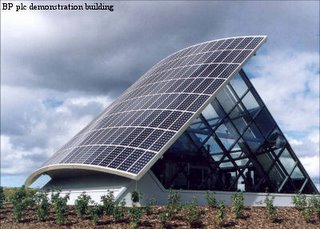
Water power is a must for Nepal if we are to tackle climate change. Obtaining energy from wind power is just one facet of the dramatic changes we need to make in the way we live on this planet. New buildings should have micro – generation solar panels or wind turbines installed to reduce electricity demand and greenhouse gas emissions. A panel fitted to a roof reduces energy and expense involved in heating water, and can cut water heating costs by 50 percent.
Massive investment in renewable energy is required. Nepalese government is failing miserably to invest and support renewable technologies, the only real way to harness climate change.
Thanks to our climate and mountain’s river, Nepal is uniquely placed to generate energy from renewable sources – such as water, solar and wind power, which are clean, cheap and safe.
They do not rely on massive subsidy from our tax, or a scarce and finite supply of high – grade uranium, nor will they are irreparable harm to our world and our health.
It is time to tell world and specially India to abandon the dirty and dangerous nuclear power industry in favour of renewable sources – and invest heavily in energy conservation measures.
Related articles in BBC, CIESIN, IPCC

Thursday, February 02, 2006

Analysis of a normal lifespan:

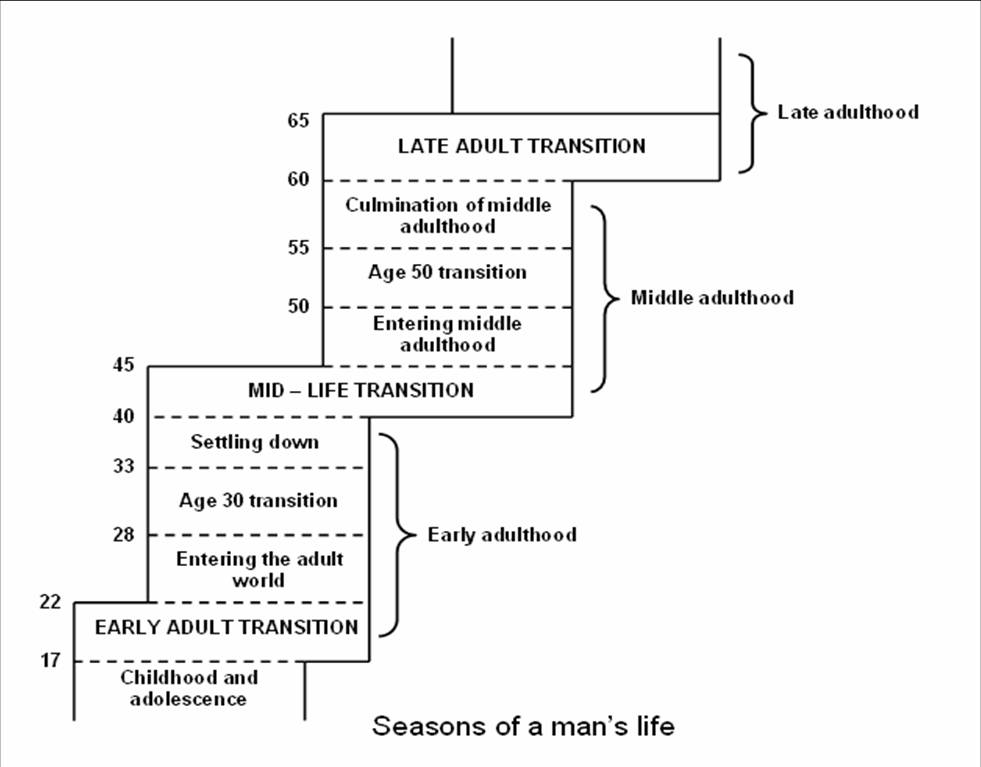
Let us suppose that we enjoy a normal lifespan, the longest phase of the life cycle will be spent in adulthood. Levinson et. al. (1978) have observed, adulthood is: ....... one of the best-kept secrets in our society and probably in human history generally.
In The Seasons of a Man’s Life, Levingson et al. (1978) advanced a life-structure theory, defining life structure as the underlying pattern or design of a person’s life at any given time. Life structure allows us to ‘see how the self is in the world and how the world is in the self’.
In The Seasons of a woman’s life (1997), Levinson and Levinson presented their finding for 45 women (aged 35 to 45), comprising 15 homemakers (full-time housewives/mothers), 15 businesswomen and 15 academics. The broad pattern of developmental periods based on the original male sample was confirmed. But men and women have been shown to differ in terms of their dreams.
Women’s dreams and ‘gender splitting’:
Levinson (1986) argues that ‘gender splitting’ phenomenon occurs in adult development. Men have fairly unified visions of their futures, which tend to focused on their careers. But women have ‘dreams’ which are more likely to be split between a career and marriage.
Conti.......
References:
Gross R. (2005), "Psychology The science of mind and behaviour" 5th edition, Hodder Arnold, London NW1 3BH

Wednesday, February 01, 2006

Is Time really money?

I always remember when I was in Nepal, Mum used to tell me son you are not giving enough time on your study. You know this is the time you have to make your career; the time which you are killing now will never come back again. This time is really count as money and my answer used to be that Mum please, don’t give me lecture and advice every time, I know what is right and wrong. When I was in college even sometime she used to wake me up to go college, how silly I was but she never used to forget when I have to attend class and different stuffs. Really, it was also good time when I was with family (especially mom’s love), this remind me today that Time is more than money.
Let me move from those maudlin stuffs, it has gone and past now. There is also one proverb that past is to remember, future is to wish and present is your real time, utilise it very carefully. Long time ago, I had read one article in The Times newspaper “Scientists show that time really is money”. I am trying to go through it which I can remember and few of them are my own personal experiences.
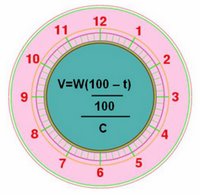
Most of us know that time is money. In economic, wages or salaries have given an indication of how we are valued at work which can refers traditional way however, by looking at salaries against taxation, the cost of living, we can see how much an hour of our time is worth whether at work or home. We can calculate it by using a mathematical formula for the monetary value of every minute of a person’s working life. Ian Walker, a professor of Economics at Warwick University has given a very simple formula to calculate it is: V= (W(100 – t)/100)/C, where V is the value of an hour, W is a person’s hourly wage, t is the tax rate and C is the local cost of living.
According to Professor Ian Walker, the equation will allow us to work out whether they are getting a fair rate for over time, as well as helping them to decide whether it is worth spending extra cash to save time for example by employing a cleaner or by taking taxi. If the amount one pays for a service is less than the value of the time you would take to do it yourself, it is generally worth splashing out.
This helps us to understand that as the value of our time rises, we are likely to buy more of it, which explains why people are paying to save time, like having someone to cut the lawn or clean the house. In other word, it shows a person’s working life by showing the precise cost of a lie–in, an extra hour at the office or even brushing one’s teeth. This formula also refers to think about how to value and use our time more effectively; vital in an age when many people feel as through they have less time to spend in the way they want to.

Monday, January 30, 2006

Enigmatic Commitment: (3)

Men have a win/lose philosophy in love. In this relationship, they care about women as much as themselves. When his heart is open, he feels so confident in himself that he is capable of making changes. If she gives an opportunity to prove his potential, he expresses his best self. To experience fulfilment he must begin to live his life motivated by love. If he feels that he cannot succeed then he regresses back to his old selfish ways. He wants to use his power and skills in the service of others, especially in service of the woman whom he likes. In that situation, there is beginning to develop a new philosophy, a win/win philosophy. He wants a world where everyone cared for themselves as well as for others.
Most of the men are not only hungry to give love but they are starving for it as well. When his relationship fail he finds himself depressed and stuck in alone. He stops caring and doesn’t know why he is so depressed. It is difficult to be motivated when he is not needed. To make him motivated again, he needs to appreciated, trusted and accepted. If he does not motivate then he start kill himself slowly, in other words, it is a slow death for a man. He starts drink, smoke and get involved in fight or unnecessary argument. I can remember, I was nearly to fight with one guy in Mall last week. I started smoking heavily again (I am regretting and punishing myself). Neither, I like anything nor I care anything nowadays (stopped talking with most of the friends because they may tell something which can hurt me more). Sometime I think to go far away from this city but I don’t know where I can get peace.
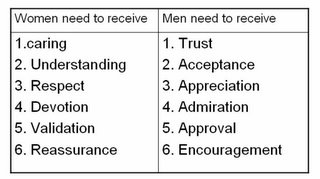
Generally, Men and Women have different emotional needs. Typically, Men give in relationship what he wants and Women give what she wants. Women instinctively appreciate the little things. The only exceptions are when a woman doesn’t realize a man needs to hear appreciation. When a woman feels unloved and neglected it is hard for her automatically to appreciate what a man does do for her. She feels resentful because she has given so much more than he has. This resentment blocks her ability to appreciate the little things. I can remember, when I told her I quit smoking and was excepting to hear her appreciation but she didn’t tell me except how are you feeling now? Did you find hard to quit? I was thinking she might become happy that I quit smoking because she just told me once which can make her feel that I really care a lot. Sometime, both Men and Women think they give and give but do not get back which can feel their love is unacknowledged and unappreciated. Most of the Men strive for greater and greater success because they believe it will make them worthy of love. I have noted few of the points which are taken from the book about women and men expect from each other.A men’s deepest fear is that he is not good enough or that he is incompetent. He compensates for this fear by focusing on increasing his power and competence. Success, achievement and efficiency are far most in his life. A man appears most uncaring when he is afraid. Just women are afraid of receiving, man are afraid of giving. To extend himself in giving to others means to risk failure, correction, and disapproval. These consequences are most painful because deep inside his unconscious he holds an incorrect belief that he is not good enough. This belief was formed and reinforced in childhood ever time he thought he was expected to do better. When his accomplishments went unnoticed or were unappreciated, deep in his unconscious he began forming the incorrect belief that he was not good enough.

Just as women are sensitive to feeling rejected when they don’t get attention they needed, men are sensitive to feeling that they failed when a women talks about problems. This is why it is so hard for him to listen sometimes. He wants to be her hero. When she is disappointed or unhappy over anything, he feels like a failure. Her unhappiness confirms his deepest fear: he is just not good enough. Many women today don’t realize how vulnerable men are and how much they need love too. Love helps him to know that he is enough to fulfil others.
At last but not the least, my comment with her became enigmatic so I could not fathom what should I name it? Unfortunately, I am fatigued with everything and want to cry on her arm like small kid.